
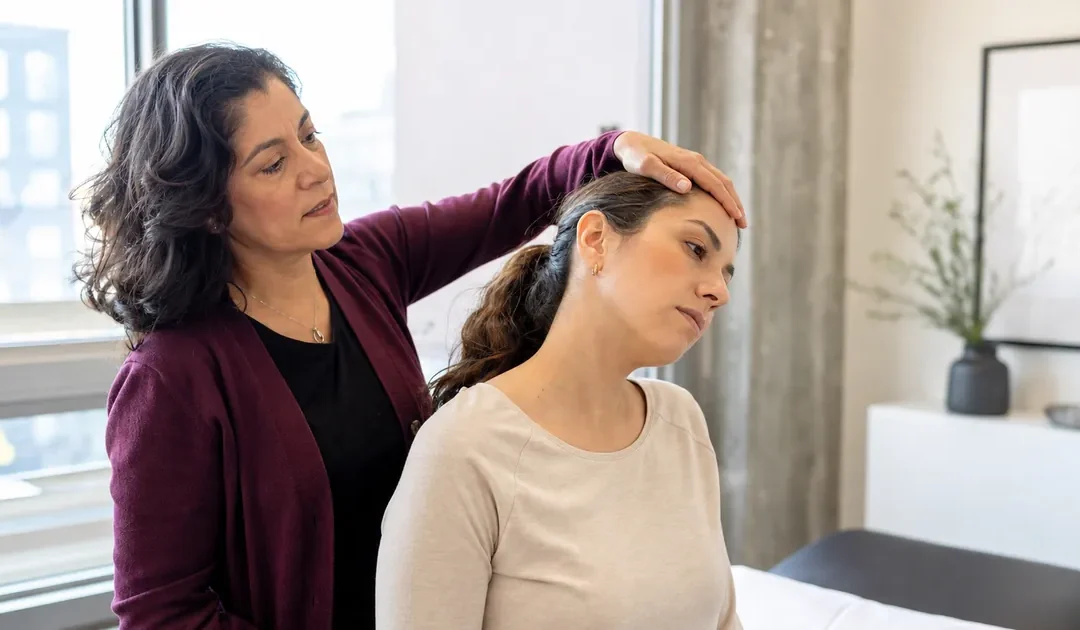
In brief: In practice, “spinal manipulation principles” does not refer to a single cause. An assessment helps distinguish a common mechanical problem from a situation requiring different care.

Key points
- The cause cannot be confirmed based on an isolated symptom.
- A clinical assessment is used to check mobility, function and warning signs.
- Recommendations should be gradual, personalized and adjusted according to the patient’s response.
Spinal manipulation is a core chiropractic technique designed to improve joint mobility and reduce tension in the spine. It aims not only to relieve pain, but also to optimize spinal alignment and overall posture. To learn more about our services and consultations, visit our chiropractic clinic in Montreal.
Introduction to spinal manipulation
Spinal manipulation involves precise, controlled movements applied to the vertebrae to restore their mobility and optimize spinal alignment. This approach may be suitable for patients experiencing lower back or neck pain, stiffness or certain types of nerve compression. It can help address joint imbalances that may contribute to muscle tension and chronic pain.
In addition to relieving existing pain, this technique may help prevent future misalignment and improve movement efficiency in everyday activities. Patients may also experience better posture, reduced nerve-related tension and improved overall spinal function. Spinal manipulation is therefore part of personalized care aimed at supporting long-term well-being.
How spinal manipulation works
The chiropractor begins with a detailed assessment of the spine, joints and areas of tension. This analysis helps identify restricted spinal segments and determine the techniques most appropriate for restoring normal movement. The professional also considers the patient’s medical history and previous conditions to support safe, appropriate care.
Once the assessment is complete, the chiropractor applies specific manual techniques to restore joint mobility. This approach may improve range of motion, reduce muscle and ligament tension, and stimulate local blood and lymphatic circulation. Some patients report immediate relief and a feeling of lightness after a session, which may contribute to a better quality of life.
Main benefits
Spinal manipulation offers several potential benefits, ranging from reducing chronic and acute pain to improving posture and body balance. It may also help address misalignment and recurring tension, which can reduce the risk of long-term pain. Patients may notice a reduction in symptoms associated with nerve compression, such as numbness or tingling.
This approach is gentle, personalized and adapted to each patient’s condition and tolerance. By supporting spinal alignment and joint mobility, spinal manipulation may contribute to overall well-being and help prevent musculoskeletal problems. It may be particularly helpful when combined with strengthening exercises and appropriate ergonomic advice.
What to expect during a session
A session begins with a thorough assessment in which the chiropractor examines the spine and identifies areas with restricted mobility or tension. This step is essential for determining the most effective and safe techniques for each patient.
The chiropractor then applies precise, targeted movements to restore joint mobility. The intensity, pace and duration of the manipulation are adapted to the patient’s tolerance and health status. Each session is therefore personalized, providing appropriate care while supporting the patient’s comfort.
Initial assessment
The initial assessment helps identify spinal segments that limit movement and sensitive areas. This step also involves observing posture, balance and body mechanics. A comprehensive understanding of the patient’s condition helps optimize the use of manipulation while minimizing risks.
In addition, this detailed analysis allows the chiropractor to personalize the techniques and propose an appropriate follow-up plan. Patients therefore receive targeted care that takes their specific needs and overall physical condition into account.
Applying the technique
The patient is positioned comfortably, and the chiropractor performs precise movements to mobilize the joints. Gradual, controlled application of the manipulations helps restore mobility without causing excessive discomfort. Results often include immediate relief of tension and improved mobility.
This step is also accompanied by recommendations for stretching and post-session exercises. These suggestions may help maintain the benefits obtained, strengthen the spine and prevent new tension or pain from developing.
💡 Tip:
- Always tell your chiropractor about your medical history and specific pain.
- Follow post-session recommendations to make the most of your care.
- Combine manipulation with strengthening exercises to support the spine.
Additional benefits
Spinal manipulation may also reduce muscle and nerve-related tension. It can improve overall alignment and contribute to better posture, which may decrease stress on the spine and surrounding joints. Patients may experience an overall sense of well-being and reduced accumulated tension.
It can also be used as a preventive tool to maintain joint mobility and limit the risk of future pain. Benefits may build when it is included in regular follow-up care and combined with appropriate exercises, helping support spinal and musculoskeletal health.
Precautions and follow-up
Although spinal manipulation is generally safe, certain conditions require particular attention. Patients with specific medical conditions, a history of surgery or bone disorders should be assessed carefully. Coordination with the treating physician may also be recommended to support safe care.
Regular follow-up may help maximize benefits and maintain the results obtained. Chiropractors often recommend several sessions spaced over time, accompanied by targeted exercises and ergonomic advice to support the spine in everyday life.
Practical information and contact
To schedule a consultation or learn more about our services, visit our page dedicated to the best chiropractor in Montreal. Our experienced professionals assess each patient individually and propose suitable options to improve mobility and reduce pain.
Neck pain assessment table
Identifying pain that requires an assessment is essential for effective care:
| Common neck pain | Pain that should be assessed |
|---|---|
| Mild stiffness after poor posture. | Pain that persists for several days. |
| Discomfort that goes away with rest. | Pain that worsens despite rest. |
| No radiation into the arms. | Numbness or pain in the arms. |
Key takeaway
Spinal manipulation improves mobility and reduces tension in the spine. Adapted to each patient, it may provide improvement that should be reassessed and may support better overall alignment.
- Sessions are personalized according to the patient’s condition and tolerance.
- A gentle, gradual approach supports comfort and safety.
- Adding complementary exercises may maximize results and help maintain benefits.
Are you looking to relieve spinal pain and regain your mobility?
Jean-Talon Chiropractic Clinic offers options adapted to each patient. Our experienced professionals have helped many people experiencing lower back, neck or sciatic pain. Contact us today for a free consultation and learn how we may improve your comfort and well-being.
Frequently Asked Questions
Is spinal manipulation painful?
Manipulation is generally well tolerated. The intensity and technique are adjusted to provide a comfortable and effective experience.
How many sessions are needed to feel relief?
The number of sessions depends on the severity of the symptoms and the patient’s health status. Several sessions spaced over time may often support lasting results and gradual improvement in mobility.
Is this technique suitable for older adults?
Yes, spinal manipulation is gentle and can be adapted for people of all ages, with specific precautions for patients with bone or joint fragility.
Resources and useful links

When to request an assessment in Montreal
If the problem described in this article persists, returns or limits your activities, an individualized assessment can help clarify the contributing factors. Visit our page about chiropractic services in Montreal, or contact the clinic to determine whether an appointment is appropriate for your situation.
Frequently asked questions
When should I consult someone about spinal manipulation principles?
Seek an assessment when symptoms persist, return, limit your activities or concern you. An assessment can help identify the probable cause and appropriate options.
Is chiropractic care appropriate for every situation related to “spinal manipulation principles”?
No. The examination helps identify contraindications and determine whether chiropractic care, monitoring or a referral is more appropriate.
Which signs require prompt assessment?
Sudden weakness, significant loss of sensation, chest pain, shortness of breath, major trauma or rapid worsening warrant urgent assessment.
Related articles
- What Do Chiropractors Really Do? A Guide to Better Understanding
- Spinal Decompression: A Solution to Reduce Pressure on the Spine
- The Difference Between an Adjustment and Manipulation, Simply Explained
Note: This content is for information purposes and does not replace a clinical assessment. If you have sudden, severe or concerning symptoms, contact the appropriate emergency services.

Chiropraticienne à Montréal dans le quartier Saint-Léonard.
Je dirige la clinique Chiropratique Jean-Talon.
J’ai complété mon doctorat en chiropratique à l’Université du Québec à Trois-Rivières en 2002
Membre de l’Ordre des chiropraticiens du Québec
Membre de l’Association des Chiropraticiens du Québec
Membre de l’Association Chiropratique Canadienne
Membre de l’Association de Protection Chiropratique Canadienne
Attestation de formation continue annuelle en radiologie (2002 à présent)