

In brief: The question of “spinal decompression” calls for a nuanced answer: your history, examination and symptom progression guide the appropriate options.

Key points to remember
- A cause cannot be confirmed based on a single symptom.
- A clinical evaluation helps assess mobility, function and warning signs.
- Recommendations should be gradual, personalized and adjusted according to the patient’s response.
Spinal decompression is a modern chiropractic technique intended to reduce pressure on the discs and joints of the spine. It may help ease pain while supporting mobility and day-to-day quality of life. To learn more about how this approach may support your comfort and mobility, visit our Montreal chiropractic services.
Introduction to spinal decompression
Spinal decompression is a non-invasive method that uses gentle stretching to relieve pressure on the intervertebral discs. This approach may be considered for people experiencing persistent lower-back pain, herniated discs or nerve compression. Unlike surgical procedures, it focuses on gradual rehabilitation that respects the body’s physiology.
It may be considered by patients with chronic pain as well as by people wishing to help prevent posture-related problems or joint wear. By supporting spinal alignment and local blood flow, this technique may help reduce inflammation and support tissue recovery.
How spinal decompression works
The chiropractor uses specialized equipment or manual techniques to stretch the spine gradually and in a controlled manner. The goal is to reduce internal disc pressure and support a more even distribution of loads across the spine.
This approach may also support blood and lymphatic circulation, which are important for tissue recovery and the removal of accumulated waste products. In addition, reducing muscle and nerve tension may provide noticeable relief and support better mobility and a more balanced posture. Patients often describe a feeling of lightness and relaxation after sessions.
Main benefits
Spinal decompression may offer several potential benefits beyond pain reduction alone. It supports improved posture, which may help prevent new spinal imbalances. In addition, by reducing nerve compression, it may lessen numbness and tingling sensations that can extend into the legs or arms.
It is also a gentle, non-invasive approach that may be considered by patients who are concerned about surgical procedures. As part of a broader care plan, spinal decompression may help limit the worsening of existing disc problems and support overall spinal stability.
What happens during a decompression session
Each session begins with a thorough assessment of the spine and the symptoms you are experiencing. This step is essential for personalizing care and determining an appropriate traction intensity. The chiropractor assesses disc mobility, areas of pressure and any particular sensitivity so the technique can be adapted to the patient’s specific needs.
Initial assessment
The initial assessment helps identify the areas requiring particular attention. The chiropractor looks for tense spinal segments and identifies areas of nerve compression that may cause radiating pain. A complete review of the patient’s posture and daily habits is also carried out to develop an appropriate, sustainable care plan.
Applying the technique
The patient is comfortably positioned on a specialized table, and the chiropractor applies controlled traction to the spine. The intensity and duration of the traction are adjusted according to the patient’s tolerance to support a safe, comfortable experience. This process gently stretches the intervertebral discs and may support the management of mild disc herniations and reduce pressure on nearby nerves.
💡 Tip:
- Always tell your chiropractor about your medical history and specific pain symptoms.
- Follow the post-session recommendations to support the benefits of care.
- Include gentle stretches and strengthening exercises to support the spine.
Additional benefits
In addition to short-term pain relief, spinal decompression may help improve flexibility and overall mobility. Patients often report reduced muscle tension, improved spinal alignment and less numbness. Together, these effects may contribute to overall well-being and a better quality of life.
It may also have a preventive role by helping limit the development of new pain and supporting weakened spinal segments. Athletes and people whose work is physically demanding may find this approach particularly useful because it may support recovery and muscle performance.
Precautions and follow-up
Spinal decompression is generally considered a safe technique, but certain medical conditions require particular care. Patients who have undergone surgery or who have severe osteoporosis or complex joint disorders should be assessed cautiously. Collaboration with the treating physician or specialist may sometimes be recommended to support safe, appropriate care.
Post-session follow-up is also important for monitoring progress and supporting stability. Chiropractors often recommend several sessions spread over a number of weeks, accompanied by strengthening exercises and ergonomic advice suited to the patient’s lifestyle.
Practical information and contact
For more information about our services and to schedule a spinal decompression session, visit our page for a chiropractor in Saint-Léonard. Our qualified professionals assess each patient individually and suggest options suited to reducing pain and supporting mobility.
Neck pain assessment table
It is important to distinguish minor pain from pain that should be assessed by a chiropractor:
| Common neck pain | Pain that should be assessed |
|---|---|
| Mild stiffness after poor posture. | Pain that persists for several days. |
| Discomfort that goes away with rest. | Pain that worsens despite rest. |
| No pain radiating into the arms. | Numbness or pain in the arms. |
Key takeaway
Spinal decompression may be an option for reducing pressure on the discs and joints of the spine. When adapted to the individual patient, it may support mobility, help reduce pain and help address factors associated with spinal problems.
- Personalizing the session is essential for optimizing the care plan.
- A gentle, gradual approach supports comfort and safety.
- Complementary exercises and post-session follow-up may support the overall care plan.
Are you looking for relief from spinal pain and wanting to regain your mobility?
Jean-Talon Chiropractic Clinic offers options adapted to each patient. Our experienced professionals have helped many people experiencing lower-back, neck or sciatic pain. Contact us today to learn more about an assessment and how we may support your comfort and well-being.
Frequently Asked Questions
Is spinal decompression painful?
Most patients feel relaxation rather than pain. The intensity is adjusted to help make the session comfortable and appropriate.
How many sessions are needed to feel relief?
The number of sessions varies according to the condition and severity of the symptoms. A care plan may involve several sessions over a few weeks, depending on the individual assessment and response.
Is this technique suitable for older adults?
Spinal decompression is gentle and non-invasive, which may make it an option for patients of different ages, including older adults, with appropriate precautions.
Resources and useful links
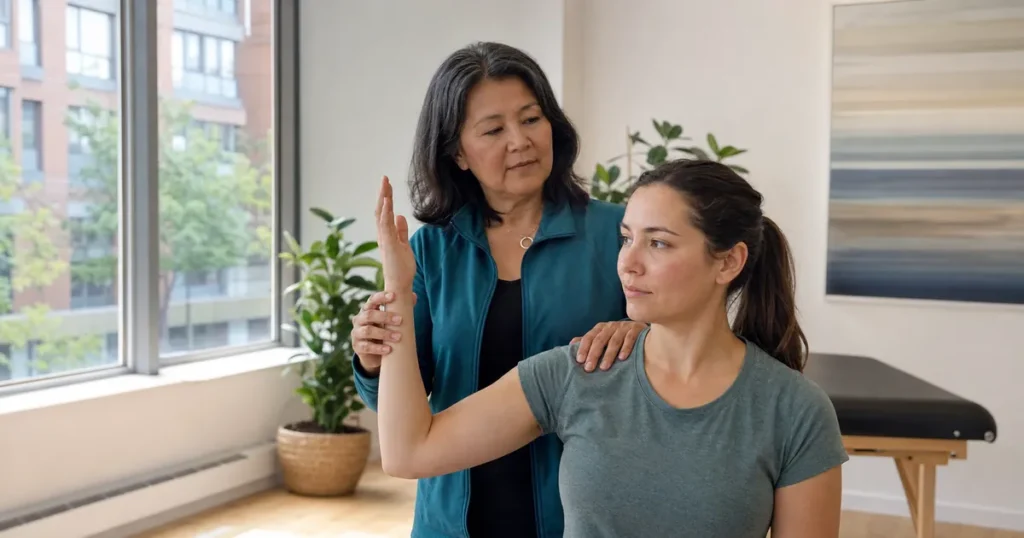
When to request an assessment in Montreal
If the problem described in this article persists, returns or limits your activities, an individualized assessment can help clarify the factors involved. Visit our page on spinal health, or contact the clinic to determine whether an appointment may be appropriate for your situation.
Frequently asked questions
When should I consult about spinal decompression?
Consult a professional when symptoms persist, return, limit your activities or concern you. An assessment can help review the probable cause and appropriate options.
Is chiropractic care appropriate for every situation related to “spinal decompression”?
No. An examination helps identify contraindications and determine whether chiropractic care, monitoring or a referral is more appropriate.
Which signs require prompt assessment?
Sudden weakness, significant loss of sensation, chest pain, shortness of breath, major trauma or rapidly worsening symptoms warrant urgent assessment.
Related articles
- Soft-Tissue Therapy: An Effective Approach to Reducing Tension
- Spinal Manipulation: Essential Principles to Understand
- Chiropractic Care: A Simple Definition and Its Essential Role in Your Health
Note: This content is for information only and does not replace a clinical assessment. If you experience sudden, severe or concerning symptoms, contact the appropriate emergency services.

Chiropraticienne à Montréal dans le quartier Saint-Léonard.
Je dirige la clinique Chiropratique Jean-Talon.
J’ai complété mon doctorat en chiropratique à l’Université du Québec à Trois-Rivières en 2002
Membre de l’Ordre des chiropraticiens du Québec
Membre de l’Association des Chiropraticiens du Québec
Membre de l’Association Chiropratique Canadienne
Membre de l’Association de Protection Chiropratique Canadienne
Attestation de formation continue annuelle en radiologie (2002 à présent)