
In brief: To properly understand the “benefits of joint mobilization,” it is important to consider the context, how long the symptoms have been present and how they affect daily activities.

Key points
- The cause cannot be confirmed based on an isolated symptom.
- A clinical assessment helps check mobility, function and warning signs.
- Recommendations should be gradual, personalized and adjusted according to the patient’s response.
Joint mobilization is an important chiropractic technique that may help improve mobility, reduce pain and support overall well-being. To access professional care tailored to your needs, discover our Montreal chiropractic clinic, recognized for its expertise and personalized support.
Introduction to joint mobilization
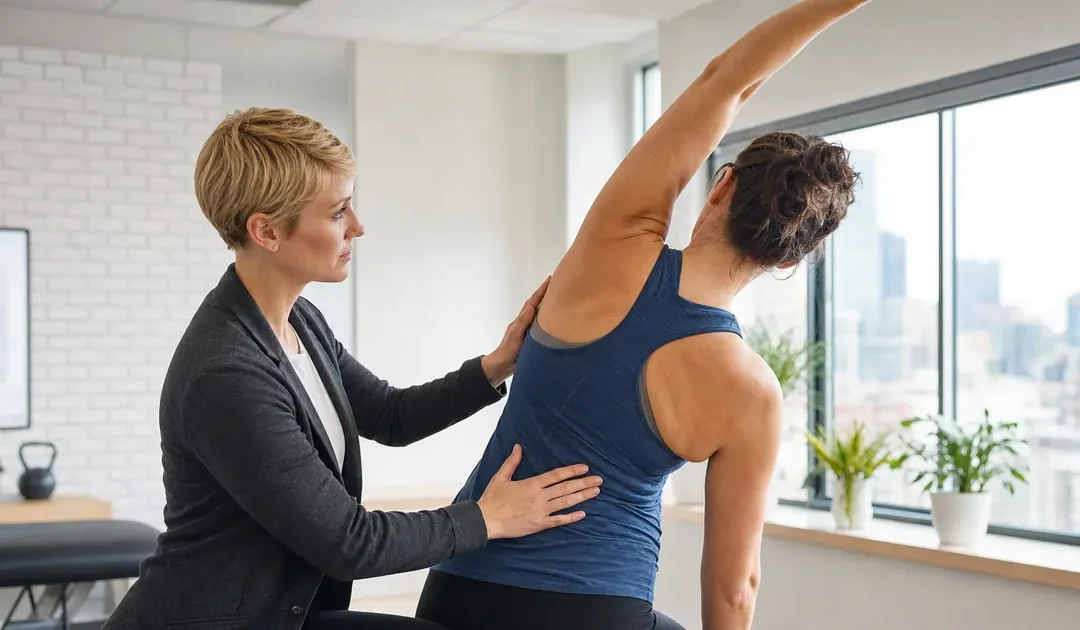
Joint mobilization consists of gentle, progressive movements applied to the joints to help restore their normal range of motion. Unlike rapid adjustments that can sometimes produce a cracking sound, this approach emphasizes precision and patient comfort. It may help release tension and support better joint function over time.
It is particularly suitable for patients experiencing chronic pain, restricted mobility or postural imbalances. It can also provide preventive support for people exposed to repetitive movements, intense sports activities or prolonged postures in daily life.
1. Reduction of joint pain
Joint mobilization may help reduce pain associated with osteoarthritis, muscle tension or accumulated microtrauma. By gently stimulating the joints and surrounding tissues, it may help address areas of restriction and stiffness.
Over the course of care, patients may notice less chronic pain and greater comfort during everyday movements, which can support quality of life and the ability to take part in physical activities.
2. Improved mobility
Progressive movements may help restore the normal range of motion needed for a functional, balanced body. This technique can make everyday movements such as bending, standing up or lifting objects more comfortable.
It may also benefit athletes by supporting joint mobility, reducing stress on the joints and contributing to physical performance through smoother, more natural movements.
3. Injury prevention
A flexible joint that moves well may be less vulnerable to microtrauma or muscle and ligament injuries. Joint mobilization helps prepare the body to handle exertion and impact without creating excessive tension.
By working regularly on mobility, a chiropractor may help stabilize the joints and support muscle coordination, potentially reducing the risk of injury during sports activities or repetitive movements at work.
4. Reduced muscle tension
The muscles surrounding the joints may gradually relax during mobilization sessions, which can support comfort and reduce muscle fatigue. This may help reduce secondary pain caused by postural compensation.
By improving muscle flexibility, joint mobilization may also support better body balance and a more even distribution of loads across the joints, which can help limit the development of ongoing tension.
5. Improved posture
Joint restrictions can contribute to misalignment, inappropriate postures and chronic pain. Joint mobilization may help address these imbalances by restoring coordinated movement between the different joints.
Better posture may improve the distribution of body weight and reduce stress on the muscles and ligaments, which can lower the risk of lower-back, neck and joint pain over time.
6. Support for blood circulation
Gentle joint movement stimulates blood and lymphatic circulation, which may support tissue recovery and help reduce inflammation. Improved circulation may also support the delivery of nutrients and the removal of metabolic waste.
This circulatory stimulation may help the joints and muscles remain healthy by supporting recovery and improving overall comfort after physical exertion or an injury.
7. Support during rehabilitation
After an injury, joint mobilization can play an important role in functional recovery. It may help gradually restore mobility without causing excessive pain and prepare the joint to regain its normal range of motion.
When combined with targeted exercises and other chiropractic techniques, it may support a safe, gradual return to full activity while helping reduce the risk of reinjury or muscular compensation.
8. Suitable for many patients
This gentle, progressive technique may be appropriate for people of different ages, including children, pregnant women and older adults. Its careful application may help address pain, improve mobility and prevent imbalances without placing excessive stress on the body.
Each session is adjusted according to the patient’s tolerance and specific needs, supporting a personalized approach that respects each person’s physiological limits.
9. Prevention of chronic pain
Maintaining joint mobility and reducing muscle tension may help prevent the onset of chronic pain. Joints that move well may be less prone to overloading and imbalances that can contribute to prolonged pain.
Regular mobilization, combined with ergonomic advice and home exercises, may support joint health over time and improve overall comfort and quality of life.
What happens during a mobilization session
A joint mobilization session always begins with a thorough examination of posture, movement and the joints involved. This assessment helps the chiropractor identify areas of restriction and determine the techniques most appropriate for each patient.
After the examination, the practitioner performs targeted, progressive mobilizations adapted to the person’s specific needs. The goal is to support the restoration of normal joint movement while minimizing pain or discomfort.
Initial assessment
The initial assessment includes observing movement, palpating the joints and analysing postural imbalances. This step is essential for ensuring the safety and appropriateness of mobilization.
It also helps establish accurate follow-up and adapt subsequent sessions according to changes in mobility and pain relief.
Personalized care plan
The care plan is designed for each patient while taking into account their physical condition, limitations and goals. It may include targeted mobilizations, strengthening or stretching exercises, and recommendations to support the benefits at home.
This personalized approach supports attentive follow-up and may help optimize the usefulness of mobilization while minimizing risks.
💡 Tip:
- Always tell your chiropractor how you feel and report any pain so the technique can be adjusted precisely.
- Perform the recommended home exercises regularly to support the effects of mobilization.
- Tell the professional about any medical condition or ongoing treatment before the session.
Overall benefits of joint mobilization
Joint mobilization offers several potential benefits for health and well-being. It may support pain reduction, improved mobility and injury prevention.
By combining gentle techniques with personalized follow-up, it may help address postural imbalances, support spinal stability and assist recovery after an injury, while being adaptable to people of different ages and conditions.
| Common situation | Recommended mobilization |
|---|---|
| Neck stiffness after a day at the computer. | Gentle cervical mobilizations and related stretches. |
| Low-back pain after physical exertion. | Progressive lumbar mobilizations and core strengthening. |
| Stiff or tense shoulders caused by repetitive movements. | Scapular mobilizations and appropriate postural exercises. |
Fees and practical information
To find out the price of a chiropractic session and arrange your appointments, consult our page dedicated to fees and services. You will find clear information about care options and associated costs.
Key takeaways
Joint mobilization is a gentle technique that may improve mobility and reduce pain while being appropriate for many patients.
- Each session is personalized according to the needs and restrictions identified.
- Home exercises and regular follow-up may help maximize the benefits.
- This technique can be adapted for people of different ages, from children to older adults, to support comfort and ongoing progress.
Ready to improve your mobility and reduce joint pain?
Jean-Talon Chiropractic Clinic offers mobilization sessions adapted to your specific needs. We have supported many patients seeking greater comfort and joint flexibility. Contact us today to discuss a consultation and learn how our care may help you move more comfortably in daily life.
Frequently Asked Questions
Does joint mobilization hurt?
No. This technique is designed to be gentle and progressive, minimizing discomfort. It may sometimes cause a slight stretching sensation as the joints and muscles relax.
How many sessions are needed to see results?
The number of sessions depends on each patient, the extent of the restrictions and the goal of care. Some people notice an improvement in mobility or pain after several regular sessions, but individual responses vary.
Can mobilization be combined with other chiropractic treatments?
Yes. Joint mobilization is often combined with adjustments, therapeutic exercises and soft-tissue relaxation techniques when appropriate to support the patient’s care plan and recovery.
Resources and useful links

When should you seek an assessment in Montreal?
If the problem described in this article persists, returns or limits your activities, an individualized assessment can help clarify the factors involved. Consult our page about assessment for the benefits of joint mobilization, or contact the clinic to determine whether an appointment is appropriate for your situation.
Frequently asked questions
When should you consult for the benefits of joint mobilization?
Consult a health professional when symptoms persist, return, limit your activities or concern you. An assessment can help check the probable cause and appropriate options.
Is chiropractic care appropriate for every situation related to the “benefits of joint mobilization”?
No. The examination helps identify contraindications and determine whether chiropractic care, monitoring or a referral is more appropriate.
Which signs require prompt assessment?
Sudden weakness, significant loss of sensation, chest pain, shortness of breath, major trauma or rapid worsening warrant urgent assessment.
Related articles
- 7 Gentle Methods Used in Chiropractic Care for People Who Are Concerned About Cracking
- 9 Situations in Which Adjustments Are Not Recommended
- Postural Analysis in Chiropractic Care: Why Is It Essential?
Note: This content is for information purposes and does not replace a clinical assessment. If you experience sudden, severe or concerning symptoms, contact the appropriate emergency services.

Chiropraticienne à Montréal dans le quartier Saint-Léonard.
Je dirige la clinique Chiropratique Jean-Talon.
J’ai complété mon doctorat en chiropratique à l’Université du Québec à Trois-Rivières en 2002
Membre de l’Ordre des chiropraticiens du Québec
Membre de l’Association des Chiropraticiens du Québec
Membre de l’Association Chiropratique Canadienne
Membre de l’Association de Protection Chiropratique Canadienne
Attestation de formation continue annuelle en radiologie (2002 à présent)