
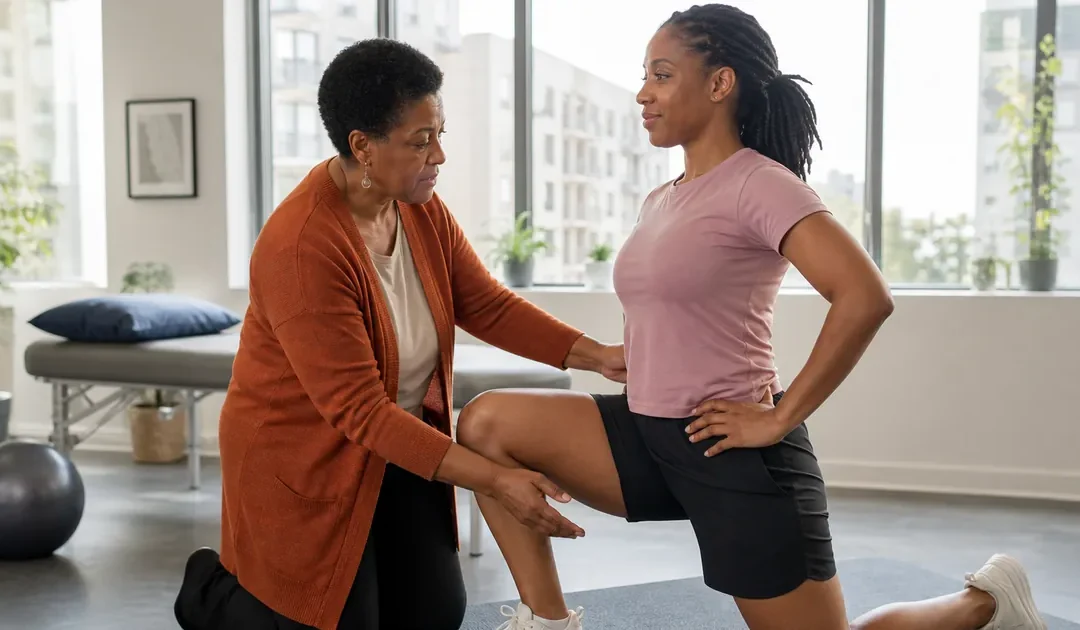
In brief: The question “chiropractic care for a knee injury” calls for a nuanced answer: the history, examination and progression of symptoms help guide appropriate options.
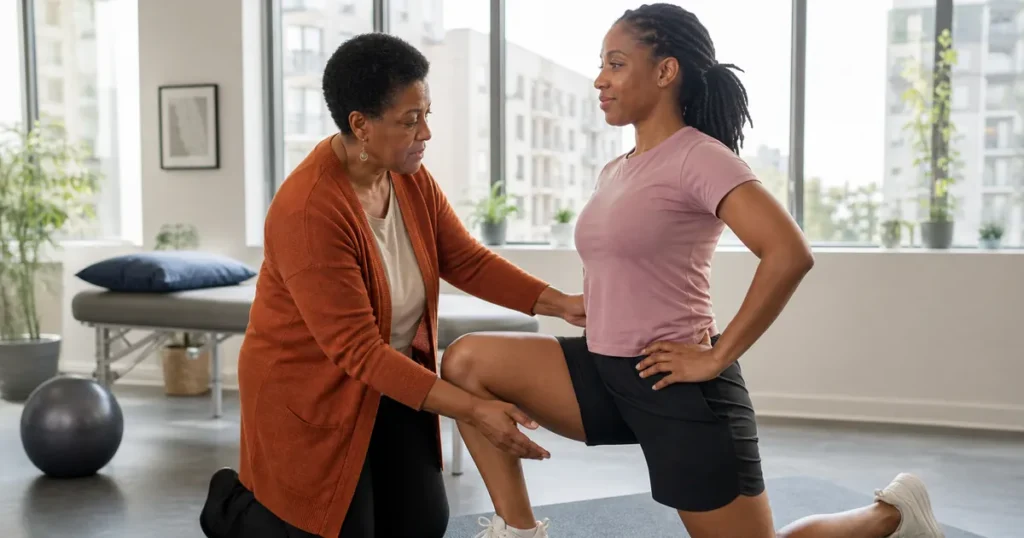
Key points
- The cause cannot be confirmed based on an isolated symptom.
- A clinical assessment helps check mobility, function and warning signs.
- Recommendations should be gradual, personalized and adjusted according to the patient’s response.
Knee injuries can quickly limit walking, sports and even the simplest daily activities. Because this joint supports a significant portion of the body’s weight and is involved in almost every movement, knee pain can quickly become restrictive. Understanding the possible causes and knowing what to do can often help reduce discomfort and prevent unnecessary worsening.
Seeing a professional in Montreal can provide a gentle assessment adapted to each person’s specific needs. For a safe and personalized approach, you can visit our Montreal chiropractic clinic for professional advice and support appropriate to your situation.
This article explains common causes of knee pain, signs that warrant attention and natural options that may support recovery and the maintenance of good mobility.
Why is the knee frequently injured?
The knee is a complex joint that connects the thigh to the lower leg and plays a key role in stability and movement. It is used when walking, going up and down stairs, participating in sports and even standing for long periods. This constant use helps explain why it is particularly vulnerable to strain, impacts and imbalances.
In addition, the knee depends heavily on the proper function of the hips, ankles and surrounding muscles. When an imbalance exists elsewhere in the body, the knee often compensates, increasing the risk of discomfort or injury over the medium or long term.
Repetitive movements and overloading
Repetitive movements, such as running, jumping or rapidly changing direction, place significant pressure on the structures of the knee. Over time, these repeated stresses can irritate the tissues and cause gradually increasing pain.
Without adequate recovery or adjustments to training, these microtraumas can accumulate and reduce the knee’s ability to absorb loads effectively.
Instability and muscle imbalances
A lack of stability in the hips or ankles can alter the biomechanics of the knee. The muscles then work unevenly, increasing tension in certain areas.
These imbalances are common and can sometimes be difficult to detect without an assessment. A professional analysis can nevertheless help clarify their impact on the knee.
Signs that warrant a consultation
Some knee pain goes away with rest, but other symptoms should be taken seriously. Persistent pain, swelling or a feeling of locking may indicate that a tissue is being overused or irritated.
Consulting promptly can help clarify the origin of the problem and prevent it from worsening. Early care can also support a more effective and safe recovery.
Common mechanical pain
Mechanical pain often occurs during specific movements, such as going down stairs or after sitting for a prolonged period. It may also appear after an unusual effort.
Identifying when and how the pain occurs helps assess knee mechanics and guide recommendations.
Reduced mobility or weakness
Difficulty fully bending the knee or a feeling of instability may indicate an underlying problem. These signs can limit daily activities.
An assessment can help determine whether the limitation is related to joint stiffness, muscle weakness or compensation.
Most common causes
Knee pain often results from a combination of factors rather than a single specific event. Poor biomechanics, excessive effort or insufficient recovery can all contribute to the onset of symptoms.
Understanding these causes makes it possible to adopt prevention strategies and guide care more effectively.
Common causes observed in clinical practice include:
- Overuse during sports or work-related activities
- Poor alignment or an improper movement technique
- Muscle weakness or a lack of overall stability
- Progress gradually in your physical activities.
- Give equal importance to strengthening and recovery.
- Listen to your body’s signals before pain becomes established.
“Improved overall stability of the lower limb can considerably reduce the stress placed on the knee.”
Natural approaches that may help
Natural approaches aim to support the body’s ability to move more effectively while reducing excessive tension. They may be particularly relevant for a joint as heavily used as the knee.
A comprehensive approach considers not only the knee, but also the joints and muscles that influence its function.
Optimizing joint mobility
Gentle interventions may help improve mobility in the knee and surrounding areas. Better mobility supports smoother movement.
This approach can often help limit compensations and reduce discomfort.
Strengthening and ergonomic advice
Targeted strengthening of the stabilizing muscles helps distribute loads across the knee more effectively. It also helps make everyday movements safer.
Simple ergonomic advice can reduce repetitive irritation related to lifestyle habits.
When to see a professional in Montreal
It is advisable to consult a professional when pain persists, interferes with walking or returns frequently during exertion. These situations often suggest the presence of an aggravating factor.
An assessment can identify these factors and guide personalized recommendations.
Situations requiring an assessment
Persistent swelling, a feeling of instability or pain after an impact should be assessed. Prompt intervention helps support a safe recovery.
The earlier the consultation, the simpler the care options may be.
What to expect during a consultation
The consultation generally includes an analysis of posture, walking and joint mobility. Daily habits are also discussed.
The approach is always adapted to the patient’s comfort and needs.
| Situation | Recommendation |
|---|---|
| Pain when going down stairs | Targeted strengthening and mechanical analysis |
| Swelling after activity | Rest and an assessment if it persists |
| Instability or locking | Consult promptly |
For more information, also see our page about a reputable Montreal chiropractor.
Key takeaways
Knee pain is often related to overloading, muscle imbalances or inadequate biomechanics. Recognizing these issues early makes it possible to act more effectively and reduce the risk of them becoming chronic.
- Persistent pain warrants an assessment.
- Stability and strengthening play a key role.
- A chiropractic approach may support knee mobility.
Jean-Talon Chiropractic Clinic offers a comprehensive option for people experiencing knee pain. We have helped many patients in situations similar to yours. Contact us today for a free consultation.
Frequently Asked Questions
Here are answers to the most common questions about knee pain and chiropractic care.
Is knee pain always serious?
No. Much knee pain is benign and related to temporary overuse. An assessment can nevertheless help confirm this.
Can chiropractic care help mechanical pain?
Yes. It can assess knee mechanics and suggest appropriate interventions.
Do I need to stop playing sports completely?
Not necessarily. Adjustments can often allow you to continue the activity without worsening the pain.
How long does recovery take?
The duration varies depending on the cause and the person’s habits.
Do I need a referral in Quebec?
No. You can consult a chiropractor directly.
Can the pain come back?
Yes, especially if the overloading factors persist.
Is a consultation painful?
No. The assessment is generally gentle and gradual.
When should I seek emergency care?
In the event of severe pain, significant swelling or sudden locking.
Resources and useful links
Ordre des chiropraticiens du Québec
Government of Quebec – Health
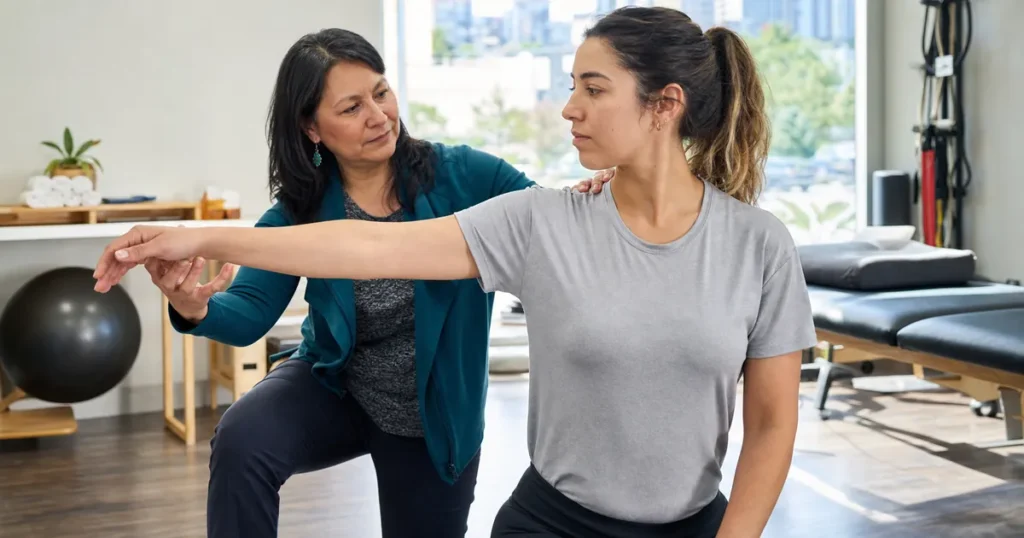
When should you request an assessment in Montreal?
If the issue described in this article persists, returns or limits your activities, an individualized assessment can help clarify the factors involved. See our page to learn more about this approach, or contact the clinic to find out whether an appointment is appropriate for your situation.
Frequently asked questions
When should I consult a chiropractor for a knee injury?
Consult a chiropractor when symptoms persist, return, limit your activities or concern you. An assessment can help check the probable cause and appropriate options.
Is chiropractic care appropriate for every situation related to “chiropractic care for a knee injury”?
No. The examination helps identify contraindications and determine whether chiropractic care, monitoring or a referral is more appropriate.
What signs require a prompt assessment?
Sudden weakness, significant loss of sensation, chest pain, shortness of breath, major trauma or rapid worsening warrant urgent assessment.
Related articles
- 9 Sports Injuries That Chiropractic Care May Help Relieve
- Running: How to Prevent Common Pain and Injuries
- How Chiropractic Care May Help After a Fall or Awkward Movement
Note: This content is for information purposes and does not replace a clinical assessment. If you experience sudden, severe or concerning symptoms, contact the appropriate emergency services.

Chiropraticienne à Montréal dans le quartier Saint-Léonard.
Je dirige la clinique Chiropratique Jean-Talon.
J’ai complété mon doctorat en chiropratique à l’Université du Québec à Trois-Rivières en 2002
Membre de l’Ordre des chiropraticiens du Québec
Membre de l’Association des Chiropraticiens du Québec
Membre de l’Association Chiropratique Canadienne
Membre de l’Association de Protection Chiropratique Canadienne
Attestation de formation continue annuelle en radiologie (2002 à présent)