

In brief: When comparing options related to “chiropractic care after a fall,” consider training, scope of practice and your objective. These approaches may complement one another rather than being interchangeable.

Key takeaways
- Training and scope of practice differ from one profession to another.
- The choice depends on the likely cause, contraindications and desired outcome.
- Collaboration between professionals may be appropriate when the issue extends beyond a single scope of practice.
After a fall or awkward movement, it is common to experience gradually developing stiffness, muscle tension or localized pain that sometimes appears several hours after the event. These reactions are normal: the body activates protective mechanisms to limit movement and prevent a possible injury from worsening. A cautious assessment helps distinguish a mild reaction from a situation requiring more structured follow-up.
For an assessment tailored to your situation, feel free to start chiropractic treatment in Montreal. This process makes it possible to assess mobility, pain and the compensations made by the body in order to propose gentle, personalized and safe solutions, without unrealistic promises.
This guide explains why these symptoms occur after an incident, how chiropractic care can responsibly support recovery, and what practical steps to take during the first few days to encourage a gradual return to activities.
Why a fall or awkward movement causes pain
During a fall or sudden movement, muscles, joints and soft tissues may be subjected to sudden strain. Even without a serious injury, these structures often respond with mild inflammation or a reflex contraction intended to protect the affected area. This response can cause delayed pain, which may be more noticeable the next day.
The range of symptoms depends on several factors, including the intensity of the movement, physical condition, previous posture and medical history. This is why a targeted assessment is essential to understand the precise source of the discomfort and guide the most appropriate interventions.
Muscle tension and spasms
The muscles surrounding the affected area may contract involuntarily to limit movement and stabilize the region. These spasms often create a feeling of stiffness and diffuse pain that can interfere with everyday movements.
Gradual, appropriate approaches aim to reduce this protective response while respecting the body’s natural ability to recover.
Joint restrictions
An awkward movement may temporarily reduce a joint’s normal range of motion, causing a feeling of blockage or reduced fluidity. This restriction may lead to compensations in other areas of the body.
Carefully restoring functional mobility is often an important step in regaining more comfortable movement and preventing recurrence.
How chiropractic care can help
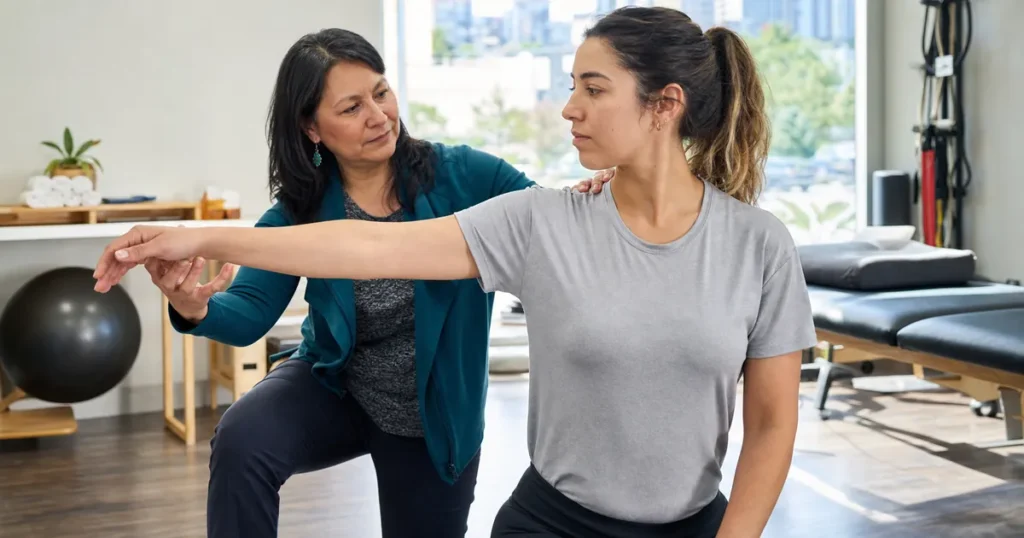
After a fall or awkward movement, chiropractic care first aims to understand how the body has adapted to the incident. The approach is based on a comprehensive assessment that considers mobility, posture and movement habits.
Depending on the examination findings, gentle interventions may be recommended to improve comfort, support recovery and assist with a gradual return to everyday activities.
Mobility assessment and analysis
The assessment identifies areas of restriction, muscle imbalances and compensation patterns. This analysis helps determine intervention priorities.
It is an essential step in ensuring safe follow-up tailored to each person’s specific condition.
Gentle techniques to reduce tension
Joint mobilizations and targeted soft-tissue work may help reduce stiffness and discomfort. The techniques used are selected according to the patient’s tolerance and overall condition.
The goal is to encourage gradual release without forcing the body beyond its capabilities.
Personalized advice for returning to activities
Individualized recommendations about movements to prioritize or avoid support a safe return to activities. This advice takes lifestyle and everyday demands into account.
Follow-up is adjusted as the condition evolves to support lasting recovery.
When it is advisable to seek care
Certain situations warrant a faster consultation, particularly when pain persists for several days, worsens or significantly limits normal activities. Numbness, weakness or radiating pain also deserves particular attention.
In these situations, an assessment can help rule out more serious causes and direct you toward appropriate care. For situations requiring a prompt response, see our page dedicated to urgent chiropractic care in Montreal, which outlines rapid consultation options.
- Choose a chiropractor recognized by the Ordre des chiropraticiens du Québec.
- Ask questions about the techniques used.
- Prioritize a relationship based on trust.
“A prompt, appropriate assessment often helps guide the first steps toward a more comfortable recovery.”
Practical tips for recovering after a fall or awkward movement
The first few days after an incident are important for preventing discomfort from becoming persistent. Simple steps, applied consistently, may support a more comfortable recovery.
When symptoms persist despite these measures, a professional assessment can help adjust your actions and direct you toward more targeted follow-up.
| Common symptom | Recommended action |
|---|---|
| Localized stiffness | Gentle, gradual movement |
| Pain after exertion | Relative rest and monitoring |
| Numbness | Prompt consultation |
Key point
After a fall or awkward movement, the body often responds with protective mechanisms that can cause delayed pain and stiffness. Recognizing signs that require an assessment makes it possible to act promptly and avoid unnecessary complications.
- Persistent or unusual pain deserves particular attention.
- Simple steps often support a more comfortable recovery.
- Appropriate follow-up helps you resume activities safely.
Jean-Talon Chiropractic Clinic regularly supports patients who have experienced a fall or an awkward movement similar to yours. Our personalized approach aims to relieve discomfort and support a safe recovery. Contact us today for a free consultation.
Frequently Asked Questions
Here are answers to the most common questions about recovery after a fall or awkward movement and the role of chiropractic care.
Is it normal for pain to appear the next day?
Yes, delayed pain is common and is related to the body’s inflammatory and muscular response. Careful monitoring is recommended.
When should I seek care promptly?
If you experience numbness, weakness or worsening pain, a prompt consultation is recommended.
Should I avoid moving completely?
Complete rest is not always recommended. Gentle, controlled movements often support better recovery.
Is chiropractic care safe after a fall?
Yes, when it is provided by a qualified professional who adapts the techniques to the patient’s condition.
Do I need a medical prescription?
No. In Quebec, it is possible to consult a chiropractor directly.
How long does recovery take?
The duration varies according to the severity of the incident and the individual’s response, which is why personalized follow-up is important.
Are exercises necessary?
Simple, appropriate exercises may support recovery and reduce the risk of recurrence.
Useful resources and links
Ordre des chiropraticiens du Québec
Government of Quebec – Health
When should you request an assessment in Montreal?
If the issue described in this article persists, returns or limits your activities, an individualized assessment can help clarify the contributing factors. Visit our page to learn more about this care, or contact the clinic to find out whether an appointment is appropriate for your situation.
Frequently asked questions
How should I choose when comparing “chiropractic care after a fall”?
The choice depends on the likely cause and your objective. Training, scope of practice and the methods used should match your needs.
Can these professions work together?
Yes. Multidisciplinary care may be helpful when several factors contribute to the problem or when complementary expertise is needed.
When should I consult a doctor first?
Severe or sudden pain, significant trauma, fever, progressive weakness or other general symptoms require prompt medical assessment.
Related articles
- 9 Sports Injuries Chiropractic Care May Help Relieve
- Pain Related to Office Work: How Chiropractic Care May Help
- How Chiropractic Care Supports Rehabilitation After an Injury
Note: This content is for information purposes and does not replace a clinical assessment. If you experience sudden, severe or concerning symptoms, contact the appropriate emergency services.

Chiropraticienne à Montréal dans le quartier Saint-Léonard.
Je dirige la clinique Chiropratique Jean-Talon.
J’ai complété mon doctorat en chiropratique à l’Université du Québec à Trois-Rivières en 2002
Membre de l’Ordre des chiropraticiens du Québec
Membre de l’Association des Chiropraticiens du Québec
Membre de l’Association Chiropratique Canadienne
Membre de l’Association de Protection Chiropratique Canadienne
Attestation de formation continue annuelle en radiologie (2002 à présent)