
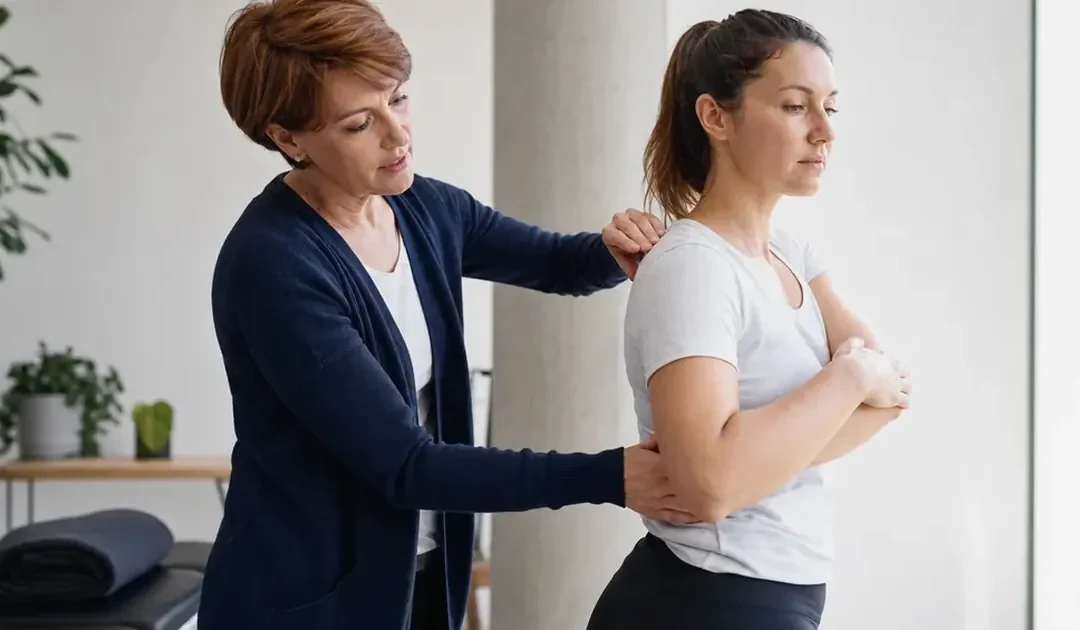
In brief: For “posture and breathing,” the most helpful changes are generally simple and gradual; an exercise should not cause sharp or increasing pain.
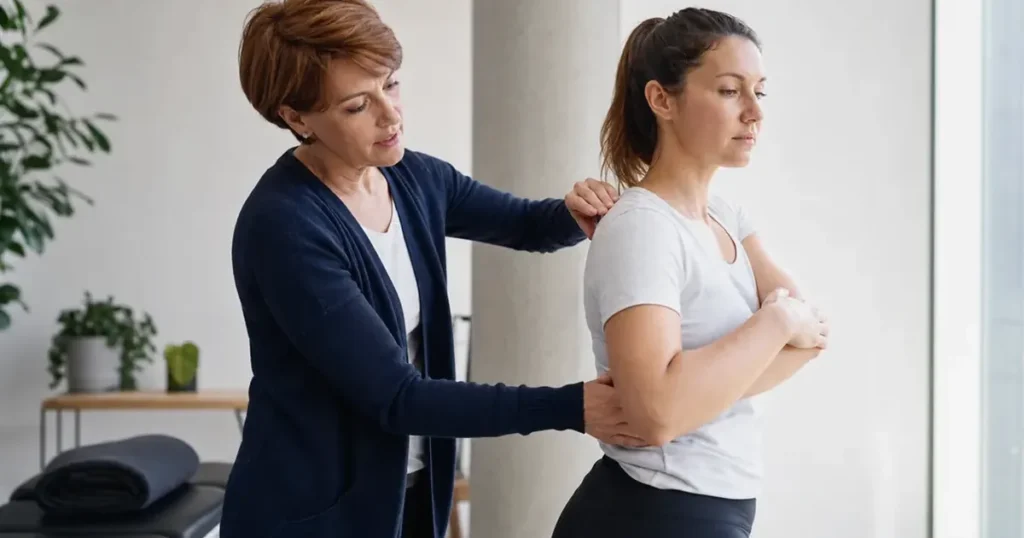
Key points
- The cause cannot be confirmed based on a single symptom.
- A clinical assessment helps check mobility, function and warning signs.
- Recommendations should be gradual, personalized and adjusted based on the patient’s response.
The quality of your breathing and your posture directly affects your comfort, energy and back health. Poor posture can cause back and neck pain, and may also limit lung capacity, leading to fatigue, discomfort and muscle tension. For professional support and personalized recommendations, learn more about our Montreal low back pain treatment. Appropriate chiropractic care may help address postural imbalances and support breathing and overall well-being.
Why posture affects breathing
Optimal posture allows the lungs to expand fully, supporting effective oxygenation throughout the body. When the spine is misaligned, the shoulders are rounded or the chest is compressed, breathing capacity may be reduced.
Poor posture repeated over the long term may contribute to fatigue, muscle tension and general discomfort. Improving your posture may support deeper breathing, better blood circulation, less back pain and improved day-to-day energy.
Effects of poor posture
Maintaining a hunched position or rounded shoulders may cause back and neck pain. These postures restrict the mobility of the rib cage, reducing breathing efficiency and leading to shallow breathing.
Over time, poor posture may also affect concentration, endurance and overall well-being. It may contribute to frequent headaches and limit muscle oxygenation, making physical exertion feel more tiring.
7 signs your posture is affecting your breathing
Identifying the early signs of poor posture is important for taking appropriate action. The list below presents common indicators that poor posture may be limiting your breathing and affecting your overall comfort.
- Rounded shoulders: This position prevents full chest expansion, limiting breathing depth and encouraging shallow breathing.
- Hunched back: Excessive forward curvature compresses the lungs and may reduce breathing capacity over time.
- Neck tension: Tight neck muscles restrict chest movement and may influence breathing.
- Rapid fatigue: Posture that interferes with effective breathing may reduce endurance and lead to rapid shortness of breath.
- Frequent headaches: Inadequate oxygenation related to shallow breathing may cause headaches and a feeling of mental fatigue.
- Chest stiffness: A rigid rib cage limits breathing movement and contributes to persistent muscle tension.
- Discomfort during prolonged sitting: Tense muscles and chest compression may cause ongoing discomfort, particularly at a desk or in a car.
How to improve your posture for better breathing
Correcting your posture requires a comprehensive approach that combines body awareness, exercises and ergonomic adjustments. Keeping your back straight and your shoulders gently drawn back may support deeper breathing and greater comfort.
Regularly practising chest-opening exercises and diaphragmatic breathing may help relax the back muscles and release the rib cage. In addition, adapting your workspace and taking frequent breaks to stretch your chest and back can reduce tension and help prevent chronic pain.
💡 Tip:
- Monitor your posture throughout the day to avoid chest compression.
- Practise deep-breathing exercises to support lung capacity.
- Combine postural correction with chiropractic care to help prevent pain and support respiratory health.
How to identify posture-related neck pain
Neck and back pain often result from repeated poor postures. Identifying the nature of the pain helps determine whether professional care may be needed.
Chiropractic care can assess muscle tension and spinal misalignments and provide personalized recommendations to improve posture and reduce pain. The table below distinguishes common pain from symptoms that should be professionally assessed:
| Common neck pain | Pain that should be assessed |
|---|---|
| Mild stiffness after poor posture or a long day. | Pain that persists for several days despite rest and stretching. |
| Temporary discomfort that goes away with rest. | Pain that worsens and limits neck or shoulder movement. |
| No irritation or numbness radiating into the arms or hands. | Numbness, tingling or pain radiating into the arms, hands or shoulders. |
Benefits of optimal posture for breathing and the body
Adopting proper posture offers many day-to-day benefits. An aligned spine and an open chest support deeper breathing, reduce muscle tension and promote energy and concentration.
Regular postural exercises and the integration of diaphragmatic breathing techniques may also help reduce neck and back pain. Over the long term, this may support blood circulation, muscle recovery and overall quality of life.
When to see a chiropractor
If you experience breathing fatigue, persistent muscle tension or recurring back pain, consider consulting a chiropractor. A professional can assess your posture, suggest appropriate adjustments and monitor your progress to support oxygenation and day-to-day comfort.
Key takeaways
- Poor posture may restrict your breathing and create muscle tension.
- Adopting proper posture may support oxygenation and help reduce stress and pain.
- Breathing exercises and chiropractic care may contribute to better overall health.
- Regularly assessing your posture and practising daily corrections may help prevent back-related breathing problems.
Are you looking to improve your posture and breathing?
Jean-Talon Chiropractic Clinic can help address tension, improve your posture and support your breathing. We have assisted many patients with similar concerns. Contact us today for a free consultation and personalized plan.
Frequently Asked Questions
How does posture actually affect breathing?
Poor posture limits chest expansion, reducing lung capacity and leading to shallow breathing. Improving posture may support oxygenation and reduce muscle tension.
What exercises can help improve my posture and breathing?
Chest-opening exercises, diaphragmatic breathing and regular back and shoulder stretches can be helpful. Combined with chiropractic care, they may help maintain healthy posture throughout the day.
Resources and useful links

When to request an assessment in Montreal
If the problem described in this article persists, returns or limits your activities, an individualized assessment can help clarify the factors involved. Visit our page about posture and breathing assessment, or contact the clinic to find out whether an appointment is appropriate for your situation.
Frequently asked questions
When should I consult someone about posture and breathing?
Consult a health professional when symptoms persist, return, limit your activities or concern you. An assessment can help check the likely cause and appropriate options.
Is chiropractic care appropriate for every situation related to “posture and breathing”?
No. The examination helps identify contraindications and determine whether chiropractic care, monitoring or a referral would be more appropriate.
Which signs require prompt assessment?
Sudden weakness, significant loss of sensation, chest pain, shortness of breath, major trauma or rapid worsening warrant urgent assessment.
Related articles
- 7 Ergonomic Tips for a Pain-Free Workstation
- 7 Essential Stretches to Reduce Neck Tension
- 7 Posture Mistakes You’re Probably Making Without Knowing It
Note: This content is for information purposes and does not replace a clinical assessment. If you have sudden, severe or concerning symptoms, contact the appropriate emergency services.

Chiropraticienne à Montréal dans le quartier Saint-Léonard.
Je dirige la clinique Chiropratique Jean-Talon.
J’ai complété mon doctorat en chiropratique à l’Université du Québec à Trois-Rivières en 2002
Membre de l’Ordre des chiropraticiens du Québec
Membre de l’Association des Chiropraticiens du Québec
Membre de l’Association Chiropratique Canadienne
Membre de l’Association de Protection Chiropratique Canadienne
Attestation de formation continue annuelle en radiologie (2002 à présent)