

In brief: In practice, “response to chiropractic adjustments” does not refer to one single cause. An assessment helps distinguish a common mechanical issue from a situation requiring a different approach.

Key points
- The cause cannot be confirmed based on an isolated symptom.
- A clinical assessment helps evaluate mobility, function and warning signs.
- Recommendations should be gradual, personalized and adjusted according to the patient’s response.
It is common to observe that some patients notice rapid improvements after chiropractic adjustments, while others progress more gradually. This difference does not mean that care is less effective; rather, each body has its own pace of adaptation. Several factors are involved, including the initial condition of the spine, lifestyle habits and consistency of follow-up care. If you are looking for personalized, structured support, chiropractic services in Montreal can help you better understand how your body responds to adjustments and support your progress.
1. The initial condition of the spine and joints
The condition of the spine at the time of the first consultation plays an important role in how quickly a patient responds to chiropractic adjustments. A patient who seeks care soon after discomfort or acute pain begins often has fewer established compensations and areas of stiffness. In these cases, the body may respond more quickly because the tissues have not yet been exposed to prolonged stress.
Conversely, when an issue has been present for several months or years, the body has often developed adaptive mechanisms. Although these compensations may be useful in the short term, they can make correction more gradual. The chiropractor must then proceed step by step to restore better joint and muscular balance, which helps explain why some improvements take longer.
The impact of inflammation
Inflammation directly influences how the body responds to chiropractic adjustments. When tissues are inflamed, they become more sensitive and sometimes less receptive to mechanical corrections. This may result in persistent stiffness or subtler improvements at first.
Over time and with appropriate care, a reduction in inflammation generally allows for better mobility and a more effective response to treatment. This is why the chiropractor considers this factor when developing a care plan, in order to respect the patient’s capacity to adapt.
2. Lifestyle habits and recovery
Lifestyle habits have a major impact on how the body responds to chiropractic adjustments. Sleep, nutrition, hydration and physical activity directly influence the tissues’ ability to recover. A well-rested, well-hydrated body is generally better able to integrate the corrections made during appointments.
Conversely, a sedentary lifestyle, lack of sleep or ongoing exposure to stress can slow progress. These factors place additional demands on the nervous and muscular systems, which may limit the body’s ability to rebalance. Adjusting certain daily habits can therefore support a better response to care.
The influence of daily stress
Daily stress directly affects muscle tension and posture. High stress levels can cause prolonged muscle contraction, making adjustments less lasting in the short term. This constant tension can also limit joint mobility.
When stress is better managed, the body is generally more receptive to chiropractic care. Simple strategies, such as taking regular breaks, practising breathing exercises or organizing daily activities more effectively, can help improve the overall response to adjustments.
- Choose a chiropractor recognized by the Ordre des chiropraticiens du Québec.
- Ask questions about the techniques used and the goals of the care plan.
- Prioritize a relationship based on trust and communication.
3. Consistency and frequency of visits
Regular appointments are an important factor in the pace of progress. At the beginning of chiropractic care, appointments scheduled closer together can often support adjustments and help the body adapt more effectively. This consistency promotes better stabilization of the gains made.
When appointments are too far apart, the body may tend to return to its previous patterns of compensation. This does not mean that care is ineffective; rather, continuity is important for reinforcing corrections and maintaining improvements over the long term.
The importance of a care plan
The care plan proposed by the chiropractor is developed according to your specific condition, goals and ability to adapt. It takes several factors into account in order to provide a realistic, gradual approach.
Following this plan allows the musculoskeletal system to adjust consistently. Over time, this structured approach supports a more stable and lasting response to adjustments.
4. The nervous system’s ability to adapt
The nervous system plays a central role in the response to chiropractic adjustments. It acts like a conductor, coordinating the body’s muscles, joints and protective mechanisms. Some nervous systems adapt more quickly, which may help explain faster improvements in some patients.
This ability to adapt varies from person to person and depends on factors such as activity level, injury history and lifestyle. These differences are normal and are an integral part of a personalized chiropractic approach.
The influence of age
Age can influence tissue flexibility and recovery time without determining how effective care will be. Joints may become less flexible over time, which can make changes more gradual.
However, many patients of all ages experience significant benefits when they follow an appropriate care plan. The goal remains to improve mobility, comfort and quality of life.
Table: Factors that influence the response rate
Several factors may explain why responses to adjustments vary from one person to another. The table below summarizes the main factors and their potential impact on progress.
| Factor | Potential effect |
|---|---|
| Duration of the issue | A recent issue generally responds more quickly |
| Sleep quality | Good recovery supports adaptation |
| Stress | May slow the nervous system’s response |
To better understand how recommendations are developed, we invite you to read our article on
How Chiropractors Determine a Patient’s Treatment Plan. This content explains in detail the steps and criteria used to develop personalized follow-up care.
“Every body has its own pace of adaptation: consistency, listening and appropriate professional support are key.”
For reliable information about the profession, you can also consult the
Ordre des chiropraticiens du Québec.
Key takeaways
The speed of response to chiropractic adjustments varies according to several individual factors, including the initial condition, lifestyle and consistency of follow-up care. Understanding these factors helps set realistic expectations and supports better collaboration.
- Every patient progresses at their own pace.
- Lifestyle habits directly influence recovery.
- Consistency and a personalized approach support the best possible results.
Jean-Talon Chiropractic Clinic has helped many patients better understand their bodies’ responses and improve their day-to-day comfort. Through a compassionate, personalized approach, our team supports you at every stage of your progress. Contact us today for a free consultation.
Frequently Asked Questions
Here are some common questions about the response to chiropractic adjustments. They are intended to clarify expectations and provide a better understanding of the body’s adaptation process.
Is it normal not to respond quickly to adjustments?
Yes. Each person responds differently depending on their initial condition, lifestyle and ability to adapt.
Can effects be felt after the first appointment?
Some people notice rapid relief, while others observe gradual changes over several appointments.
Does visit frequency affect the results?
Yes. An appropriate schedule can often support adjustments and stabilize improvements more effectively.
Can stress slow progress?
High stress levels can increase muscle tension and slow the body’s adaptation to care.
Does age limit the effectiveness of adjustments?
No. Care may be beneficial at any age, although the speed of response can vary.
What can I do to support my progress?
Adopting healthy sleep habits, staying active and following the chiropractor’s recommendations can support a better response to adjustments.
Resources and useful links
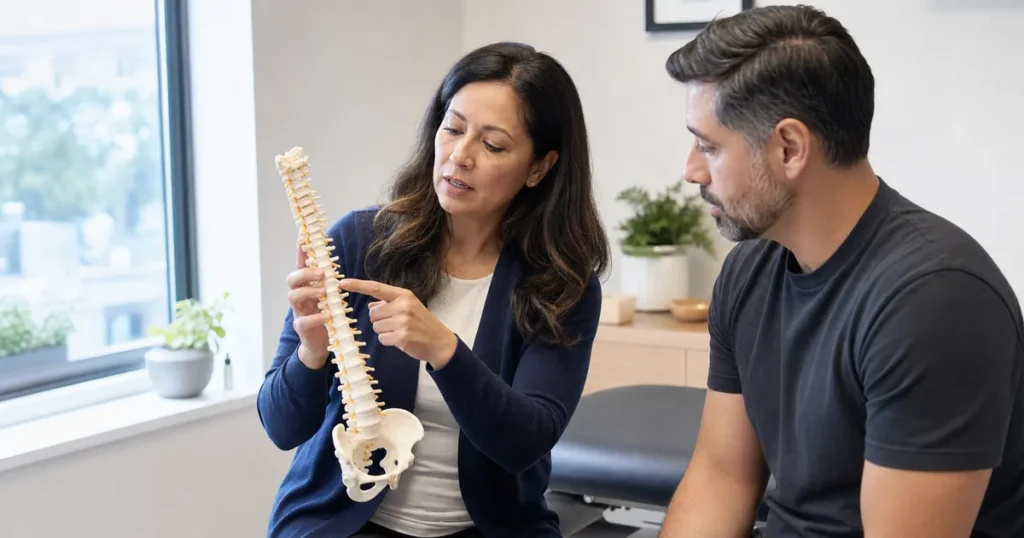
When should you seek an assessment in Montreal?
If the issue described in this article persists, returns or limits your activities, an individualized assessment can help clarify the factors involved. Visit our page about chiropractic services in Montreal, or contact the clinic to determine whether an appointment is appropriate for your situation.
Frequently asked questions
When should I consult someone about my response to chiropractic adjustments?
Consult a professional when symptoms persist, return, limit your activities or concern you. An assessment helps determine the probable cause and appropriate options.
Is chiropractic care appropriate for every situation involving a “response to chiropractic adjustments”?
No. The examination helps identify contraindications and determine whether chiropractic care, monitoring or a referral is more appropriate.
Which signs require prompt assessment?
Sudden weakness, significant loss of sensation, chest pain, shortness of breath, major trauma or rapidly worsening symptoms warrant urgent assessment.
Related articles
- 7 Scientific Principles That Explain Chiropractic Effectiveness
- The Fascinating Evolution of Chiropractic Care Through Time
- Becoming a Chiropractor: A Simple Guide to Quebec Requirements
Note: This content is for informational purposes and does not replace a clinical assessment. If you experience sudden, severe or concerning symptoms, contact the appropriate emergency services.

Chiropraticienne à Montréal dans le quartier Saint-Léonard.
Je dirige la clinique Chiropratique Jean-Talon.
J’ai complété mon doctorat en chiropratique à l’Université du Québec à Trois-Rivières en 2002
Membre de l’Ordre des chiropraticiens du Québec
Membre de l’Association des Chiropraticiens du Québec
Membre de l’Association Chiropratique Canadienne
Membre de l’Association de Protection Chiropratique Canadienne
Attestation de formation continue annuelle en radiologie (2002 à présent)