

In brief: Before taking action based on a “complete chiropractic examination,” it is helpful to clarify the goal: reducing discomfort, restoring mobility or preventing a recurrence.

Key points
- The cause cannot be confirmed based on an isolated symptom.
- A clinical assessment helps check mobility, function and warning signs.
- Recommendations should be gradual, personalized and adjusted according to the patient’s response.
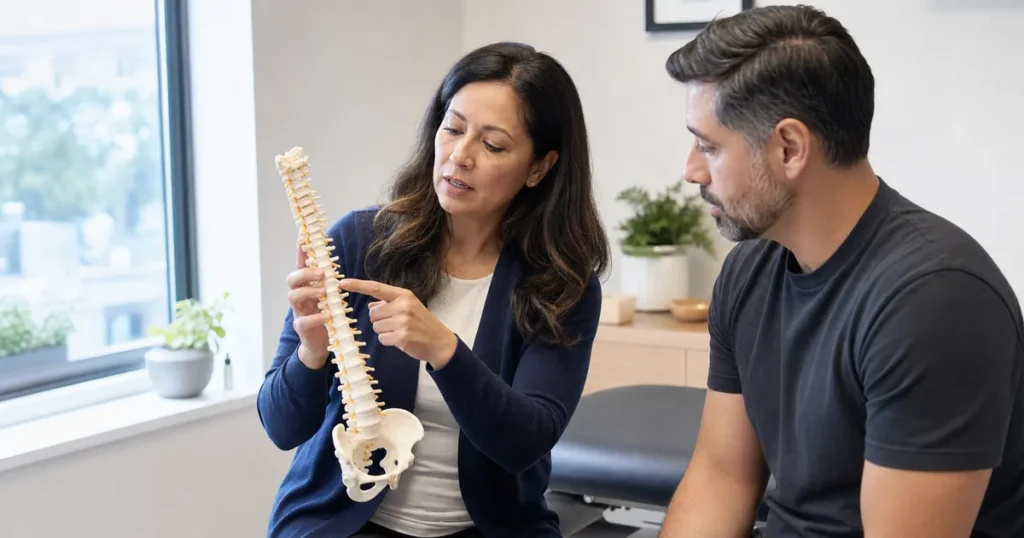
During a chiropractic examination, several parameters are assessed to understand the possible origins of pain, functional limitations or persistent discomfort as accurately as possible. This comprehensive assessment goes beyond symptoms to identify mechanical, postural or functional factors that may influence the patient’s condition. If you are looking for a professional who can perform a complete and safe assessment, a best chiropractor near me in Montreal can support you from your first consultation with a structured and reassuring approach.
1. Health history
A chiropractic examination always begins with an in-depth discussion about your health history. The chiropractor takes the time to understand the nature of your symptoms, how they have changed over time and the circumstances surrounding their onset. This step helps identify possible triggers and effectively guide the clinical assessment.
Previous medical conditions, past injuries, surgeries and certain general health conditions are also discussed. This information is essential for ensuring safe care and personalizing the care plan according to your circumstances.
2. Postural assessment
Postural analysis involves observing the body’s overall alignment, both in a static position and during movement. The chiropractor examines your posture from the front and side, and sometimes dynamically, to identify imbalances, compensations or asymmetries that may contribute to pain.
Poor posture can place excessive stress on certain joints or muscle groups. By identifying these imbalances, the chiropractor gains valuable information to better understand the possible source of the problem and guide future interventions.
3. Joint mobility tests
Joint mobility tests assess the range, fluidity and quality of movement in the affected joints. The chiropractor checks whether certain areas have restrictions, stiffness or limitations that may affect the body’s overall function.
These tests also help distinguish a joint restriction from a muscle or ligament problem. This distinction is important for properly guiding the care plan and avoiding inappropriate interventions.
4. Tissue palpation
Palpation is a key step in a chiropractic examination. It involves manually examining the muscles, joints and surrounding tissues to locate areas of tension, inflammation or increased sensitivity.
Through this hands-on assessment, the chiropractor can confirm certain clinical hypotheses and more precisely target the areas requiring particular attention during care.
5. Basic neurological tests
When appropriate for the condition, basic neurological tests are performed to assess nervous system function. These may include assessing muscle strength, sensation or reflexes.
These tests can identify possible nerve involvement and help direct the patient to appropriate care. They play an important role in ruling out conditions that require a different type of management.
6. Functional analysis
Functional analysis involves observing how your body responds during specific everyday movements. The chiropractor may ask you to perform certain actions, such as walking, bending, rotating your trunk or changing position.
This step helps clarify how pain or limitation affects your daily activities. It provides a practical view of the problem’s functional impact and helps establish realistic care goals.
7. Movement habits assessment
Lifestyle habits play a major role in the onset and persistence of musculoskeletal pain. The chiropractor therefore asks about your work habits, posture at your desk, sports activities and sleeping positions.
Identifying these factors makes it possible to provide targeted recommendations aimed at reducing repetitive strain. This approach may contribute not only to relief but also to preventing recurrences.
Summary table of assessed parameters
To make the different elements assessed during a chiropractic examination easier to visualize, the following table presents the main parameters evaluated and their respective objectives. This overview illustrates the comprehensive and structured approach used by the chiropractor.
| Parameter | Objective |
|---|---|
| Health history | Understand the overall context of the problem |
| Posture | Identify imbalances and compensations |
| Joint mobility | Identify movement restrictions |
| Palpation | Detect tension and sensitive areas |
| Neurological tests | Assess possible nerve involvement |
| Functional analysis | Understand the impact on activities |
| Movement habits | Identify aggravating factors |
To help plan your care, you can also visit our page about the average chiropractor cost, which provides clear and transparent information about care costs.
- Prepare a list of your symptoms before the consultation.
- Report any unusual or recent pain.
- Maintain a relaxed posture during the examination to facilitate the assessment.
“A thorough chiropractic examination provides a solid foundation for safe and effective care.”
Key takeaways
A complete chiropractic examination is based on assessing several complementary parameters to identify the likely cause of pain. This comprehensive approach helps develop a personalized, safe care plan suited to each patient.
- Every examination begins with a detailed health history.
- Posture, mobility and function are assessed together.
- Lifestyle habits directly influence the condition.
Clinique Chiropratique Jean-Talon has helped many patients experiencing pain similar to yours. Contact us today to benefit from a free consultation and a complete assessment tailored to your situation.
Frequently Asked Questions
Here are answers to the most common questions about chiropractic examinations and what they involve.
How long does a chiropractic examination take?
The duration varies depending on the complexity of the case, but it is generally between 30 and 45 minutes during the first consultation.
Is the examination painful?
No. The examination is non-invasive and performed gently, with the patient’s comfort in mind.
Should I bring medical documents?
Yes. If you have imaging reports or previous diagnoses, they may be useful for completing the assessment.
Is an examination required before care?
Yes. It helps ensure that the proposed care is safe and appropriate for your condition.
Can children have a chiropractic examination?
Yes. The examination is adapted to the child’s age and specific needs.
How often is the examination reassessed?
The chiropractor regularly reassesses the condition to adjust the care plan according to its progress.
Can I have an assessment even if I do not have acute pain?
Yes. A chiropractic examination can also be performed preventively to optimize function and posture.
Resources and useful links
Ordre des chiropraticiens du Québec
Government of Quebec – Health
When to request an assessment in Montreal?
If the problem described in this article persists, returns or limits your activities, an individualized assessment can help clarify the factors involved. Visit our page about Clinique Chiropratique Jean-Talon, or contact the clinic to find out whether an appointment is appropriate for your situation.
Frequently asked questions
When should I seek a complete chiropractic examination?
Seek an assessment when symptoms persist, return, limit your activities or concern you. An evaluation can help check the probable cause and appropriate options.
Is chiropractic care appropriate for every situation related to “complete chiropractic examination”?
No. The examination helps identify contraindications and determine whether chiropractic care, monitoring or a referral is more appropriate.
Which signs require prompt assessment?
Sudden weakness, significant loss of sensation, chest pain, shortness of breath, major trauma or rapid worsening warrant urgent assessment.
Related articles
- 7 Scientific Principles That Explain Chiropractic Effectiveness
- 7 Scientific Studies Demonstrating the Effectiveness of Chiropractic Care
- 7 Modern Technologies Used in Chiropractic Care
Note: This content is for informational purposes and does not replace a clinical assessment. If you experience sudden, severe or concerning symptoms, contact the appropriate emergency services.

Chiropraticienne à Montréal dans le quartier Saint-Léonard.
Je dirige la clinique Chiropratique Jean-Talon.
J’ai complété mon doctorat en chiropratique à l’Université du Québec à Trois-Rivières en 2002
Membre de l’Ordre des chiropraticiens du Québec
Membre de l’Association des Chiropraticiens du Québec
Membre de l’Association Chiropratique Canadienne
Membre de l’Association de Protection Chiropratique Canadienne
Attestation de formation continue annuelle en radiologie (2002 à présent)