
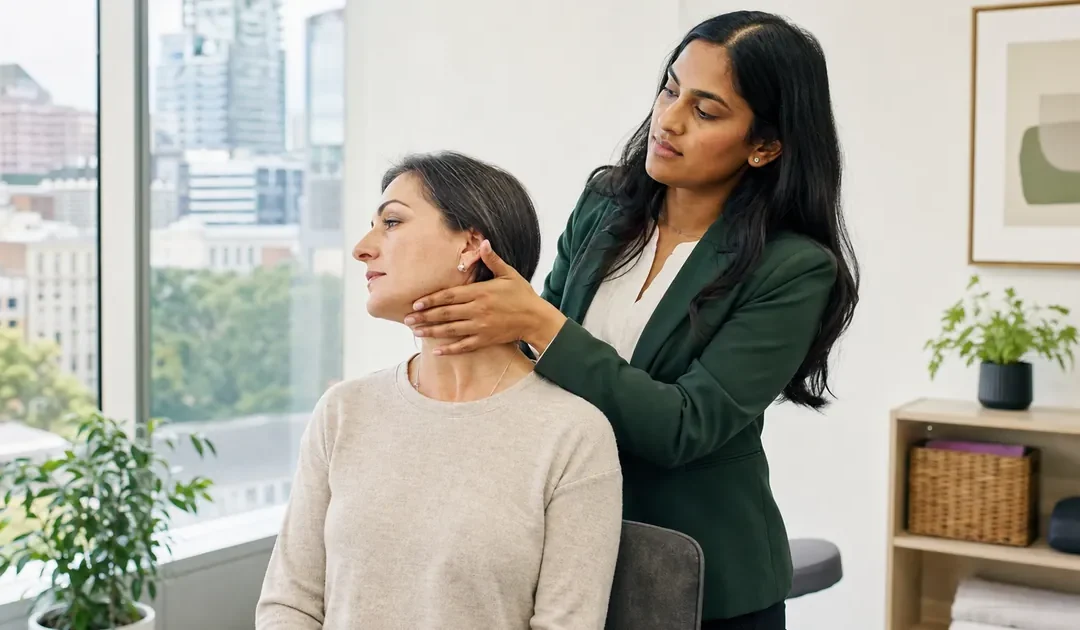
In brief: To compare options related to “is neck cracking dangerous,” consider training, scope of practice and your goal. These approaches may complement one another rather than being interchangeable.

Key points
- Training and scope of practice differ from one profession to another.
- The choice depends on the probable cause, contraindications and desired outcome.
- Collaboration between professionals may be appropriate when the problem extends beyond a single scope of practice.
Many people hear their neck crack when they turn their head or stretch and wonder whether it could be dangerous. The sound can be startling, especially when it occurs often or is accompanied by a feeling of tension or discomfort. In most cases, this phenomenon is harmless, but it still raises legitimate questions about the health of the neck and cervical joints.
If you are considering seeing a chiropractor in Montreal, it is helpful to understand what these cracking sounds actually mean, what causes them and when they require particular attention. A better understanding can help you adopt safer habits and avoid certain behaviours that may prolong discomfort.
Why does the neck crack?
The neck is an extremely mobile region of the human body. It consists of several vertebrae, discs, joints and muscles that work together to allow the head to move in every direction. This considerable mobility explains why sounds can sometimes occur during movement.
A cracking sound does not automatically indicate a problem. It may result from normal mechanical phenomena or accumulated tension. Identifying the probable source of these sounds helps distinguish a simple joint adjustment from a sign that requires a more thorough assessment.
The role of the cervical joints
The joints in the neck are surrounded by synovial fluid, which facilitates movement and reduces friction. When a quick movement or stretch occurs, a change in pressure may cause dissolved gases in this fluid to be released.
This phenomenon, called cavitation, produces a sharp, sudden sound. When it is not accompanied by pain or restricted movement, it is generally considered harmless.
Muscle and postural tension
Prolonged poor posture, such as working for a long time in front of a screen or frequently looking down at a phone, increases muscle tension in the neck. This tension changes the mechanics of cervical movement.
When muscles are tight or tired, certain movements may produce more audible cracking sounds. The sound is then more likely to signal muscle overload than a joint problem in itself.
When neck cracking is harmless
In many situations, neck cracking is simply one of the normal sounds made by the human body. It may occur after a period of inactivity, during a stretch or when the head returns to a more comfortable position.
When the cracking is occasional, painless and does not affect mobility, it is generally considered harmless and does not require specific intervention.
Normal joint sounds
An isolated sound that occurs occasionally often reflects a natural adjustment of the joint structures. The body is returning to a more optimal mechanical balance.
This type of cracking is not problematic in itself. Associated symptoms, such as pain or persistent stiffness, are what should primarily guide your attention.
Natural everyday movements
Getting up in the morning, stretching after sitting for a long time or turning your head to look around may sometimes cause a cracking sound. These situations are common and normal.
As long as movement remains fluid and comfort returns quickly, these sounds simply accompany the movement of the cervical structures as they become active again.
When to be cautious
Some signs should nevertheless prompt caution. Cracking accompanied by pain, persistent stiffness or symptoms in the arms should not be ignored.
In these cases, the sound may indicate irritation involving a joint, muscle or nerve, and an assessment is recommended to understand its cause.
Pain, numbness or radiating symptoms
A cracking sound followed by sharp pain, numbness or a sensation travelling into the shoulder or arm may indicate nerve irritation. These symptoms are particularly important to monitor.
An assessment can determine whether the discs, joints or muscles of the neck are involved and allow care to be adapted accordingly.
Persistent stiffness despite rest
When the neck remains stiff for several days, even after rest, and the cracking continues, this suggests restricted mobility or mechanical overload.
Forcing movement in this context may worsen discomfort. It is preferable to identify the underlying cause rather than trying to “make it crack” for relief.
If you notice that these symptoms persist, you may find it helpful to read the article about neck pain in Montreal, which discusses possible causes and solutions in detail.
- Avoid deliberately repeating movements that make your neck crack.
- Choose slow, controlled movements, especially after a period of inactivity.
The risks of repeated intentional neck cracking
Cracking your neck intentionally and frequently may seem relieving in the short term. However, this habit may cause unwanted effects over the long term.
Repeated movements place excessive stress on certain joints and may disrupt the neck’s natural stability.
Potential hypermobility and instability
When joints become too mobile, the muscles must compensate to maintain stability. This may lead to chronic muscle fatigue.
Over time, this instability may contribute to tension and make the neck more vulnerable to recurring discomfort.
Why forced manipulation should be avoided
Sudden manipulations performed without professional guidance may place excessive pressure on the cervical structures.
The neck is a sensitive region, and poorly controlled movements may irritate the joints or surrounding tissues.
Should you consult a professional?
When cracking becomes frequent, uncomfortable or concerning, a chiropractic assessment can review mobility, posture and joint function.
A professional can determine whether the cracking is simply functional or associated with an issue requiring targeted care.
Normal cracking or a concerning sign?
Certain criteria can help distinguish an ordinary cracking sound from a sign that warrants assessment. The table below can help you better place your situation.
| Generally normal cracking | Cracking that should be assessed |
|---|---|
| Occurs occasionally during a stretch. | Occurs frequently, even at rest. |
| No associated pain. | Persistent or unusual pain. |
| Normal mobility after movement. | Ongoing stiffness or restricted movement. |
| No numbness. | Radiating symptoms or numbness in the arm. |
Key takeaways
Neck cracking is common and often harmless, especially when it is occasional and painless. However, when it is accompanied by pain, persistent stiffness or neurological symptoms, it deserves particular attention.
- An isolated sound without pain is generally normal.
- Frequent cracking with symptoms should be assessed.
- Repeated intentional manipulation is not recommended.
At Clinique chiropratique Jean-Talon, we have helped many patients experiencing this type of neck discomfort. A personalized assessment can help identify the actual cause of the cracking and suggest a safe, appropriate approach. Contact us today for a free consultation.
Frequently Asked Questions
Is it dangerous to crack your own neck?
Cracking your neck occasionally and without forcing it is generally not dangerous. However, repeating the movement frequently may irritate the cervical joints and increase muscle tension.
Why does my neck crack often without pain?
Painless cracking is often related to normal joint phenomena or postural adjustments. As long as it is not accompanied by other symptoms, it is generally harmless.
When should you consult someone about neck cracking?
It is recommended that you consult a professional when cracking is accompanied by pain, persistent stiffness or radiating symptoms in the arm.
Does a chiropractor always crack the neck?
No. Chiropractic care does not rely solely on manipulations that produce a cracking sound. Several gentle techniques may be used depending on the patient’s condition.
Resources and useful links
Ordre des chiropraticiens du Québec
Government of Quebec – Health
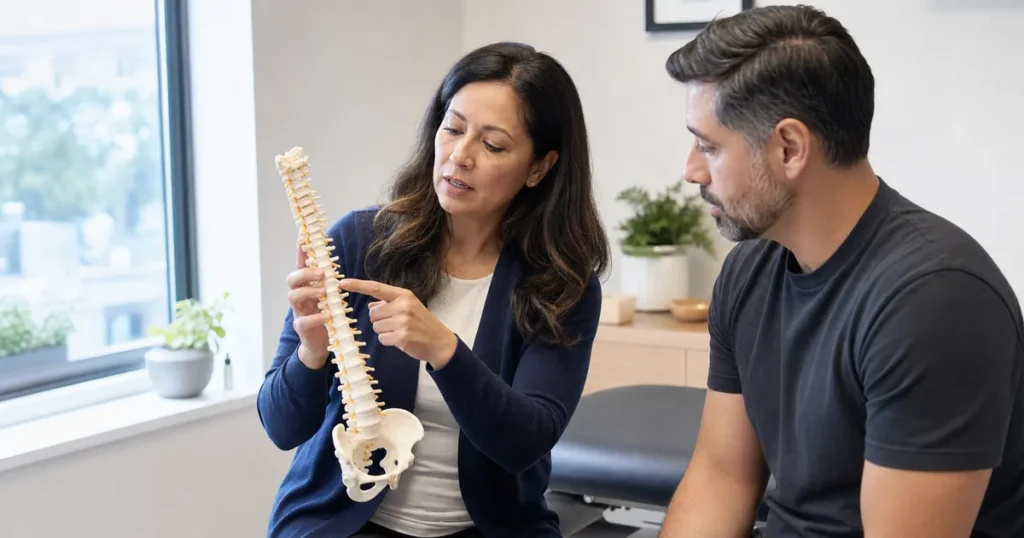
When to request an assessment in Montreal?
If the issue described in this article persists, returns or limits your activities, an individualized assessment can help clarify the factors involved. Visit our page about assessment for potentially dangerous neck cracking, or contact the clinic to find out whether an appointment is appropriate for your situation.
Frequently asked questions
How should you choose when comparing “is neck cracking dangerous”?
The choice depends on the probable cause and your goal. Training, scope of practice and the methods used should match your needs.
Can these professions work together?
Yes. Multidisciplinary care may be useful when several factors contribute to the problem or when complementary expertise is needed.
When should you consult a physician first?
Severe or sudden pain, significant trauma, fever, progressive weakness or other general symptoms require prompt medical assessment.
Related articles
- 7 Scientific Principles That Explain Chiropractic Effectiveness
- The Fascinating Evolution of Chiropractic Through Time
- Becoming a Chiropractor: A Simple Guide to Quebec Requirements
Note: This content is for information purposes and does not replace a clinical assessment. If you have sudden, severe or concerning symptoms, contact the appropriate emergency services.

Chiropraticienne à Montréal dans le quartier Saint-Léonard.
Je dirige la clinique Chiropratique Jean-Talon.
J’ai complété mon doctorat en chiropratique à l’Université du Québec à Trois-Rivières en 2002
Membre de l’Ordre des chiropraticiens du Québec
Membre de l’Association des Chiropraticiens du Québec
Membre de l’Association Chiropratique Canadienne
Membre de l’Association de Protection Chiropratique Canadienne
Attestation de formation continue annuelle en radiologie (2002 à présent)