
In brief: In practice, “irritated sciatic nerve symptoms” does not refer to one specific cause. An assessment helps distinguish a common mechanical problem from a situation requiring a different type of care.

Key points
- The cause cannot be confirmed based on one symptom alone.
- A clinical assessment helps check mobility, function and warning signs.
- Recommendations should be gradual, personalized and adjusted according to the patient’s response.
Sciatica is pain resulting from irritation or compression of the sciatic nerve, causing symptoms that may extend from the lower back down to the legs. This pain may appear suddenly or develop gradually, limiting mobility, disrupting sleep and making certain daily activities difficult.
Recognizing the early signs and understanding the cause of sciatica makes it possible to take action promptly and help prevent it from becoming chronic. Appropriate care may help relieve pain and prevent recurrences. For an accurate and safe assessment, we recommend consulting our Montreal chiropractor, who can determine the exact cause and recommend a personalized treatment plan.
What is sciatica?
The sciatic nerve is the longest nerve in the human body. It originates in the lumbar region, passes through the buttocks and travels down the back of each leg to the foot. It plays an essential role in transmitting nerve signals and controlling the muscles of the lower limbs.
When this nerve is compressed or irritated, it causes characteristic pain called sciatica. Sciatica is not a disease in itself, but rather a symptom of an underlying problem, such as a herniated disc, significant muscle tension or narrowing of the spinal canal.
1. Pain radiating down the leg
Pain radiating down the leg is the most typical sign of sciatica. It often begins in the lower back or buttock, then travels down the thigh, sometimes reaching the calf or foot, following the path of the sciatic nerve.
The intensity of this pain may range from moderate discomfort to a sharp, shooting sensation. Certain positions or activities, such as prolonged walking or sitting, may intensify this radiating pain.
2. Numbness or tingling
Irritation of the sciatic nerve may cause tingling, pins and needles or numbness in the leg or foot. These sensations indicate a disruption in nerve signal transmission.
They often occur after remaining in one position for an extended period or following certain movements. Their presence should prompt you to seek an assessment to help prevent worsening nerve compression.
3. Muscle weakness
When the sciatic nerve is compressed, the muscles it supplies may become less effective. This weakness may appear as difficulty walking, climbing stairs or maintaining balance.
If left unaddressed, this weakness may worsen and increase the risk of falls. Prompt intervention can help preserve muscle function.
4. Pain that worsens when sitting
Prolonged sitting increases pressure on the lumbar spine and may worsen compression of the sciatic nerve. Many patients notice an increase in pain after sitting for several minutes.
Changing position regularly may provide temporary relief, but it does not correct the underlying cause. A chiropractic assessment remains essential.
5. Pain with certain movements
Certain actions, such as bending forward, standing up or lifting an object, place considerable strain on the lumbar region. These movements may trigger or intensify sciatic pain.
Analyzing these responses to physical effort helps the chiropractor identify the precise source of the nerve compression.
6. Localized tenderness in the lower back or buttock
Even before the pain travels down the leg, localized discomfort in the lower back or buttock may appear. This pain is often dull and accompanied by muscle stiffness.
Muscle tension around the pelvis increases pressure on the sciatic nerve. Chiropractic care aims to restore muscular and joint balance.
7. Pain at night or while resting
For some people, sciatica becomes more intense at night or during periods of rest. This nighttime pain disrupts sleep and slows recovery.
It is often related to inflammation and prolonged positioning. Appropriate treatment aims to improve comfort during the day and at night.
Tips for relieving sciatica
Adopting good daily habits helps reduce pressure on the sciatic nerve. Proper posture and appropriate physical activity play a key role in managing symptoms.
💡 Tip:
- Maintain good posture.
- Strengthen your core muscles.
- Avoid sudden movements.
- Seek an assessment promptly if the pain persists.
How a chiropractor can help
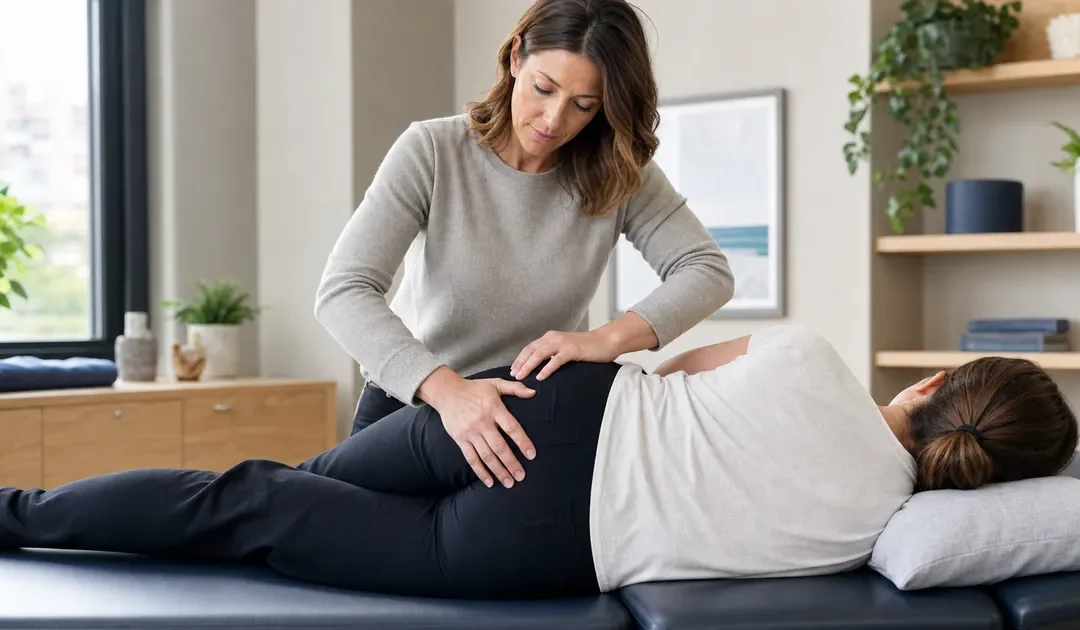
The chiropractor performs a complete assessment to identify the exact cause of sciatic nerve irritation. This analysis makes it possible to target the areas requiring care more precisely.
Chiropractic adjustments, combined with exercises and ergonomic advice, aim to reduce pain, restore mobility and help prevent recurrences.
Other recommendations
In addition to chiropractic care, certain measures may improve comfort and support recovery. Heat, gentle stretching and moderate physical activity are often beneficial.
Maintaining a healthy weight and staying active can help reduce pressure on the spine and sciatic nerve.
| Common symptoms | Signs requiring an assessment |
|---|---|
| Mild or intermittent pain. | Persistent or intense pain. |
| Occasional tingling. | Muscle weakness or significant numbness. |
When to see a chiropractor urgently
Prompt consultation is essential if the pain worsens, muscle weakness develops or unusual symptoms occur. Early intervention can help prevent complications.
Our team offers an emergency consultation for lower back or neck pain to help relieve symptoms promptly.
Key points
Sciatica is a warning signal indicating irritation of the sciatic nerve. Prompt assessment and appropriate treatment can help relieve pain and preserve mobility.
- Radiating pain, numbness or weakness are signs to monitor.
- Chiropractic care offers a natural, targeted approach.
- Prevention is based on posture and healthy habits.
Are you looking to relieve your sciatica and regain your mobility?
Clinique Chiropratique Jean-Talon has helped many patients living with sciatica. Contact us today for a free consultation and learn how our personalized care may help you.
Frequently Asked Questions
Here are answers to the most common questions about sciatica and chiropractic care.
What are the first signs of sciatica?
The first signs include pain radiating down the leg, tingling or numbness. These symptoms may develop gradually.
Can chiropractic care provide rapid relief?
Yes, targeted adjustments and appropriate exercises often allow for gradual, lasting relief.
How many sessions are needed?
The number of sessions depends on the cause and severity of the symptoms, assessed during the initial consultation.
Resources and useful links

When should you seek an assessment in Montreal?
If the problem described in this article persists, returns or limits your activities, an individualized assessment can help clarify the contributing factors. Visit our page about assessment for irritated sciatic nerve symptoms, or contact the clinic to find out whether an appointment is appropriate for your situation.
Frequently asked questions
When should I consult for irritated sciatic nerve symptoms?
Seek an assessment when symptoms persist, return, limit your activities or concern you. An assessment helps check the probable cause and appropriate options.
Is chiropractic care appropriate for all situations involving “irritated sciatic nerve symptoms”?
No. The examination helps identify contraindications and determine whether chiropractic care, monitoring or a referral is more appropriate.
Which signs require prompt assessment?
Sudden weakness, significant loss of sensation, chest pain, shortness of breath, major trauma or rapid worsening warrant an urgent assessment.
Related articles
- 7 Ways a Chiropractor Can Relieve Your Back Pain
- 7 Possible Causes of Neck Pain
- 7 Signs Your Intercostal Pain Is Related to Your Posture
Note: This content is for informational purposes and does not replace a clinical assessment. If you have sudden, severe or concerning symptoms, contact the appropriate emergency services.

Chiropraticienne à Montréal dans le quartier Saint-Léonard.
Je dirige la clinique Chiropratique Jean-Talon.
J’ai complété mon doctorat en chiropratique à l’Université du Québec à Trois-Rivières en 2002
Membre de l’Ordre des chiropraticiens du Québec
Membre de l’Association des Chiropraticiens du Québec
Membre de l’Association Chiropratique Canadienne
Membre de l’Association de Protection Chiropratique Canadienne
Attestation de formation continue annuelle en radiologie (2002 à présent)