

In brief: To properly understand the “causes of lower back pain,” it is important to consider the context, how long the symptoms have been present and how they affect daily activities.

Key points
- The cause cannot be confirmed based on an isolated symptom.
- A clinical assessment helps evaluate mobility, function and warning signs.
- Recommendations should be gradual, personalized and adjusted according to the patient’s response.
Lower back pain affects millions of people every year and can significantly reduce quality of life. It can sometimes limit simple activities such as getting up, walking or sitting for long periods, which can become frustrating and disabling in everyday life. When the pain persists, it can eventually affect sleep, concentration and even mood.
Understanding the causes of lower back pain and the possible solutions makes it possible to take action sooner and help prevent the problem from becoming chronic. Professional support can help identify the specific source of the problem and establish strategies suited to each situation. For safe, personalized care, consult our Montreal chiropractor.
What is lower back pain?
Lower back pain occurs in the lower part of the back, known as the lumbar region, which supports a significant portion of the body’s weight. This area is heavily involved in everyday movements, which explains why it is vulnerable to strain, imbalances and injuries.
It may appear suddenly after exertion or develop gradually because of poor habits, stress or joint wear. Some pain remains localized, while other pain radiates into the buttocks or legs and requires further assessment.
1. Poor posture
Poor posture is one of the most common causes of lower back pain. Sitting for long periods, leaning forward or working without adequate support places constant pressure on the spine and the muscles of the lower back.
Over time, this overload can lead to muscle fatigue, ongoing tension and postural imbalances. Correcting your posture and adjusting your work environment can often significantly reduce lower back discomfort and help prevent symptoms from worsening.
2. Muscle weakness
The abdominal, lower-back and pelvic muscles play an essential role in stabilizing the lower back. When these muscles are weak or not used sufficiently, the lumbar spine has to compensate, increasing pressure on the discs and joints.
This weakness can contribute to recurring pain and limit the body’s ability to absorb everyday stresses. Targeted strengthening can provide better support for the lumbar region and help reduce the risk of recurrence.
3. Herniated disc
A herniated disc occurs when an intervertebral disc shifts or tears, compressing a nerve root. This compression can cause intense lower back pain, sometimes accompanied by tingling or numbness in the legs.
Without appropriate care, symptoms may worsen and seriously limit everyday activities. A chiropractic assessment can help determine the most appropriate approach to relieve pressure on the nerve and support recovery.
4. Acute low back pain or muscle strain
Acute low back pain often occurs after an awkward movement, sudden exertion or lifting a heavy object. The pain appears suddenly and may cause the lower back to lock up.
The muscles contract to protect the injured area, reducing mobility and increasing discomfort. Chiropractic care aims to release this tension, restore movement and help prevent recurrence.
5. Lumbar osteoarthritis
Lumbar osteoarthritis is a degenerative condition related to wear of the spinal joints. It develops gradually and often causes morning stiffness, reduced mobility and chronic pain.
Although osteoarthritis cannot be eliminated, appropriate care may help slow its progression. Chiropractic adjustments and mobility exercises can help maintain quality of life.
6. Stress and psychological tension
Chronic stress causes prolonged muscle contraction, particularly in the lower-back region. This constant tension reduces blood flow and can intensify existing pain.
Learning to manage stress more effectively can reduce the muscular load on the back. Relaxation techniques combined with manual care can promote lasting relaxation.
7. Unhelpful daily habits
Repetitive habits, such as sitting for too long or using a phone while bent forward, can gradually weaken the lower back. These seemingly harmless actions become problematic when they accumulate day after day.
Changing certain habits, taking active breaks and improving ergonomics can significantly reduce lower-back tension and improve everyday comfort.
8. Trauma or accidents
Falls, motor vehicle accidents and sports injuries can affect the lumbar region, even when pain is not immediate. Untreated microtrauma may develop into chronic pain.
Chiropractic follow-up can support recovery, restore joint balance, limit certain compensations and help guide ongoing care.
9. Excess weight and a sedentary lifestyle
Excess weight increases the load placed on the lumbar spine, which can accelerate wear of the discs and joints. This additional pressure can contribute to pain.
A sedentary lifestyle also weakens the muscles that stabilize the back. Moving regularly and adopting an active lifestyle can help improve lower-back symptoms over the medium term.
10. Pregnancy
Pregnancy brings significant changes in posture and weight distribution. The ligaments become more flexible and the load on the pelvis increases, placing greater demands on the lower back.
An adapted chiropractic approach may help relieve lower back pain, improve mobility and support greater comfort during pregnancy.
How chiropractic care may help
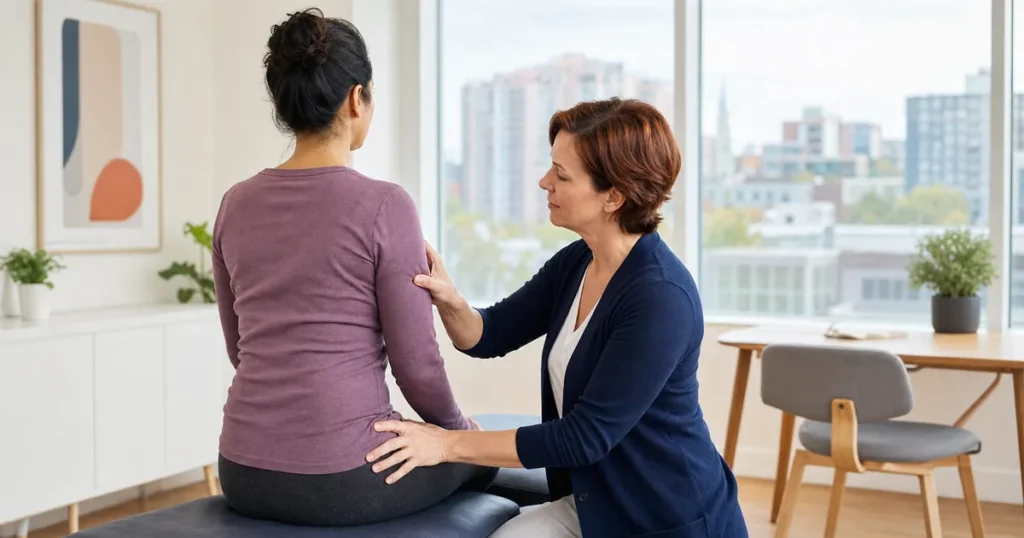
Chiropractic care aims to identify the specific cause of lower back pain through a comprehensive assessment of posture, joint mobility and muscle condition. This approach helps target the imbalances contributing to discomfort.
Chiropractic adjustments combined with exercises and ergonomic advice can support recovery. The objectives are to relieve pain, improve mobility and help prevent recurrence.
When to see a chiropractor
You should consider consulting a chiropractor if lower back pain persists for several days, becomes more intense or is accompanied by pain radiating into the legs. Early care may help prevent the problem from becoming chronic.
Assessment and personalized treatment
The assessment includes a detailed physical examination and, when necessary, imaging tests. This analysis helps establish a personalized and safe treatment plan.
Care is adapted to each patient according to their needs, age and lifestyle, with ongoing follow-up to optimize outcomes.
Other complementary approaches
Alongside chiropractic care, several approaches can help support lower-back health. These methods complement care and promote a more complete recovery.
- Gentle stretching to maintain flexibility.
- Core strengthening to stabilize the spine.
- Daily postural habits.
- Stress management and relaxation.
| Common lower-back symptoms | Signs requiring assessment |
|---|---|
| Mild or temporary pain. | Persistent or radiating pain. |
| Stiffness after exertion. | Numbness or weakness. |
Key points
Lower back pain can have many causes and requires a comprehensive approach. Early care may help relieve pain, improve mobility and prevent recurrence.
- Posture and lifestyle play a key role.
- Chiropractic care offers a natural care option.
- Personalized follow-up helps optimize outcomes.
Are you looking to relieve your lower back pain and regain your mobility?
Clinique Chiropratique Jean-Talon has helped many patients in situations similar to yours. Contact us today for a free consultation and learn how customized care may improve your everyday comfort.
Frequently Asked Questions
What are the first signs of lower back pain?
Early signs include stiffness, localized pain or discomfort during everyday movements. Prompt assessment may help prevent the problem from worsening.
Is chiropractic care safe?
Yes, chiropractic care is safe when adapted to the individual’s condition. Treatment is always personalized according to the patient’s health status.
How many sessions are needed?
The number of sessions depends on the cause and severity of the pain. A treatment plan is established during the initial consultation.
Useful resources and links
When should you request an assessment in Montreal?
If the problem described in this article persists, returns or limits your activities, an individualized assessment can help clarify the factors involved. Visit our page about assessment for the causes of lower back pain, or contact the clinic to find out whether an appointment is appropriate for your situation.
Frequently asked questions
When should I consult for the causes of lower back pain?
Consult a health professional when symptoms persist, return, limit your activities or concern you. An assessment can help determine the probable cause and appropriate options.
Is chiropractic care appropriate for every situation related to the “causes of lower back pain”?
No. The examination helps identify contraindications and determine whether chiropractic care, monitoring or a referral is more appropriate.
Which signs require prompt assessment?
Sudden weakness, significant loss of sensation, chest pain, shortness of breath, major trauma or rapid worsening require urgent assessment.
Related articles
- 7 Ways a Chiropractor Can Relieve Your Back Pain
- 10 Reasons Your Headaches Keep Coming Back
- 5 Signs Your Pain Requires Chiropractic Care
Note: This content is for information purposes and does not replace a clinical assessment. If you have sudden, severe or concerning symptoms, contact the appropriate emergency services.

Chiropraticienne à Montréal dans le quartier Saint-Léonard.
Je dirige la clinique Chiropratique Jean-Talon.
J’ai complété mon doctorat en chiropratique à l’Université du Québec à Trois-Rivières en 2002
Membre de l’Ordre des chiropraticiens du Québec
Membre de l’Association des Chiropraticiens du Québec
Membre de l’Association Chiropratique Canadienne
Membre de l’Association de Protection Chiropratique Canadienne
Attestation de formation continue annuelle en radiologie (2002 à présent)