
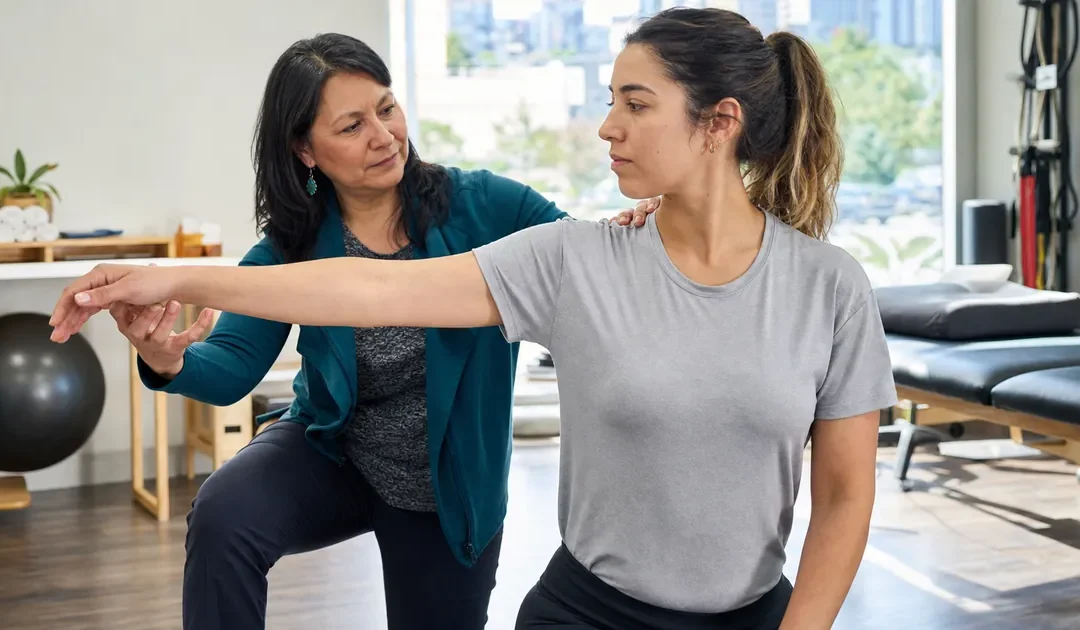
In brief: The question of “chiropractic care and sports injuries” calls for a nuanced answer: your history, examination and progress guide the appropriate options.
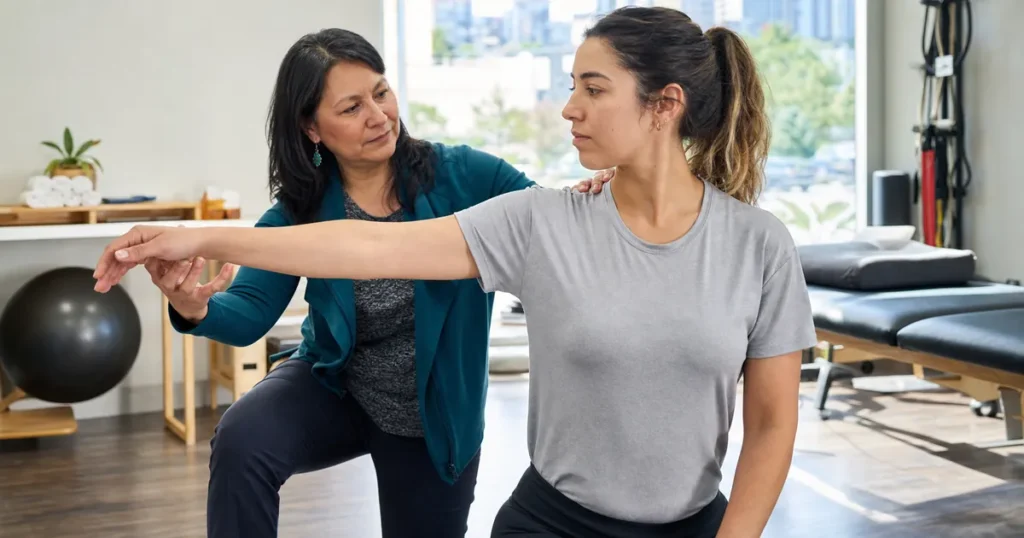
Key points
- The cause cannot be confirmed based on an isolated symptom.
- A clinical assessment helps check mobility, function and warning signs.
- Recommendations should be gradual, personalized and adjusted according to the patient’s response.
Sports injuries affect young athletes and active adults alike, whether they play sports occasionally or intensively. They often occur after repetitive movements, an inadequate warm-up or insufficient recovery between sessions. When not properly managed, these injuries can limit performance, prolong discomfort and contribute to recurrence. Chiropractic care may help reduce pain, improve mobility and support better joint and muscle function, always using a safe and personalized approach.
To learn more about our clinical approach and follow-up options for athletes, visit our chiropractic consultation in Montreal. This article presents 9 common sports injuries that chiropractic care may help relieve, along with practical advice to support lasting recovery.
Why do athletes get injured so often ?
Sports injuries often occur when a muscle, tendon or joint is subjected to excessive or repeated loading without enough recovery. Poor posture, imperfect technique or increasing intensity too quickly can significantly increase the risk of injury, even in experienced athletes.
The spine plays a central role in coordination, balance and force transmission during physical activity. When it has movement restrictions or imbalances, certain areas of the body compensate more, which can create unnecessary tension and contribute to pain or inflammation.
9 sports injuries that chiropractic care may help relieve
Sports-related injuries can affect different areas of the body, depending on the type of activity and the intensity of the effort. Some are related to sudden trauma, while others develop gradually because of overuse or biomechanical imbalances.
A chiropractic assessment can help clarify the factors contributing to these injuries and tailor interventions to each athlete’s specific needs.
1. Lower-back strains
Lower-back strains often occur during a sudden movement, an awkward movement or improper lifting. They can cause sharp pain and significantly limit movement.
A chiropractic approach aims to restore joint mobility, reduce muscle tension and support gradual recovery to help limit recurrence.
2. Neck muscle tension
Neck tension is common among athletes who participate in contact sports or activities requiring repetitive upper-body movements. It may also be worsened by poor posture outside training.
Chiropractic care may help reduce this tension and safely improve neck mobility.
3. Shoulder pain (tendinitis)
Shoulder tendinitis often develops after repetitive movements, particularly in throwing or swimming sports. Poor scapular coordination can increase the load on the tendons.
Chiropractic follow-up aims to reduce mechanical stress and optimize the mobility of the joints involved.
4. Knee inflammation
Knee pain is common among runners and athletes who perform repeated bending movements. It is often related to overloading or a biomechanical misalignment.
A comprehensive assessment helps identify contributing factors, including hip and ankle mobility.
5. Plantar fasciitis
Plantar fasciitis causes pain in the heel or underneath the foot, particularly when getting up in the morning. It is often associated with excessive impact on the ground or overuse of the foot.
Chiropractic care may help improve foot mobility and reduce related tension.
6. Sports-related sciatic pain
Sciatic pain can occur after intense exertion or repetitive movements performed incorrectly. It may present as pain radiating down the leg.
A targeted approach aims to improve spinal mobility and reduce mechanical irritation.
7. Pain between the shoulder blades
This pain is often related to poor posture or a muscle imbalance between the front and back of the torso. It may be worsened by sedentary work combined with training.
Chiropractic care may help release tension and improve overall posture.
8. Running-related injuries
Running places considerable demands on the ankles, knees and hips, especially when training is excessive. Increasing training too quickly can raise the risk of injury.
Chiropractic follow-up helps optimize biomechanics and support recovery.
9. Joint stiffness after training
Post-exercise stiffness is common and can limit the quality of subsequent training sessions. It is often related to insufficient recovery.
Improving joint mobility may contribute to a more comfortable return to activity.
Table : injuries and chiropractic approach
The following table illustrates some common sports injuries, their frequent causes and the chiropractic approaches generally considered to support recovery.
| Injury | Common causes | Possible chiropractic approach |
|---|---|---|
| Lower-back strain | Sudden movement | Gentle joint therapy |
| Neck tension | Poor posture | Targeted muscle relaxation |
| Plantar fasciitis | Overuse | Foot and ankle mobility |
When should you seek care after a sports injury ?
It is recommended that you seek care when pain persists, worsens or limits movement despite rest. Early care may contribute to more effective recovery and a safe return to activity.
The chiropractor performs a comprehensive assessment to determine the factors involved and propose a care plan suited to the athlete’s activity level.
- Choose a chiropractor recognized by the Ordre des chiropraticiens du Québec.
- Ask questions about the techniques used.
- Prioritize a relationship based on trust.
Key points
Sports injuries are common and can affect athletes of all types, regardless of their level. Appropriate and early care helps limit discomfort, improve mobility and reduce the risk of recurrence.
- Persistent pain warrants an assessment.
- Chiropractic care may support recovery and performance.
- Good prevention is based on mobility and recovery.
Clinique Chiropratique Jean-Talon has supported many athletes dealing with these types of injuries. We adapt each follow-up plan to your condition and goals. Contact us today for a free consultation.
Frequently Asked Questions
Here are answers to common questions athletes have about injuries and chiropractic follow-up.
Is chiropractic care safe for athletes ?
Yes, when provided by a qualified professional after a comprehensive assessment.
Can you continue training during care ?
Depending on the injury, a temporary adjustment to your training may be recommended.
How long does recovery take ?
The duration varies according to the nature of the injury and how quickly care is initiated.
Can chiropractic care help prevent injuries ?
It may help improve mobility and reduce certain imbalances.
Is care adapted to all athletic levels ?
Yes, interventions are adjusted according to age, level and goals.
Do you need a medical referral ?
No, you can consult a chiropractor directly.
Useful resources and links
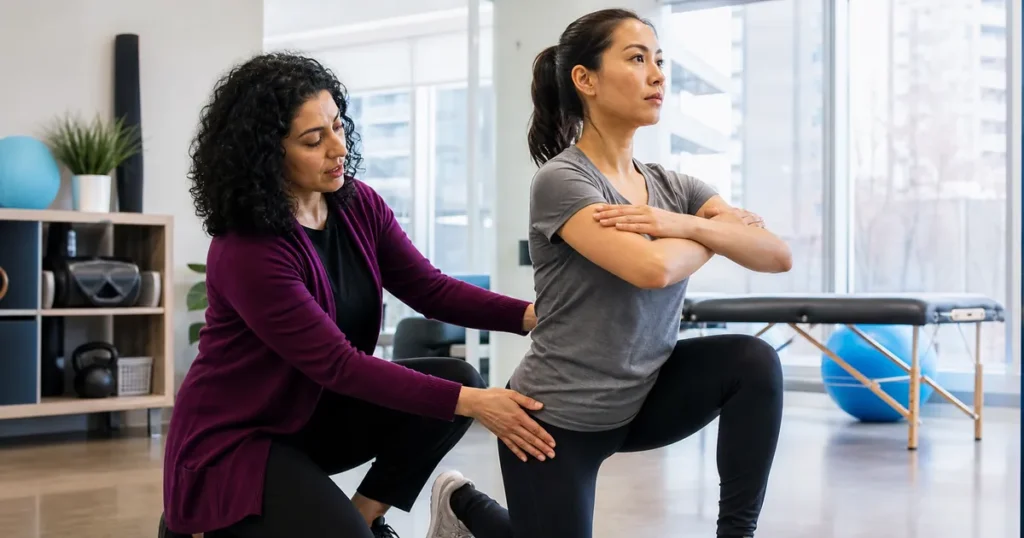
When should you request an assessment in Montreal?
If the problem described in this article persists, returns or limits your activities, an individualized assessment can help clarify the factors involved. Visit our page about assessment for chiropractic care and sports injuries, or contact the clinic to determine whether an appointment is appropriate for your situation.
Frequently asked questions
When should you seek chiropractic care for sports injuries?
Seek care when symptoms persist, return, limit your activities or concern you. An assessment helps check the probable cause and appropriate options.
Is chiropractic care appropriate for every situation involving “chiropractic care and sports injuries”?
No. The examination helps identify contraindications and determine whether chiropractic care, monitoring or a referral is more appropriate.
Which signs require prompt assessment?
Sudden weakness, significant loss of sensation, chest pain, shortness of breath, major trauma or rapid worsening warrant urgent assessment.
Related articles
- How Chiropractic Care May Help After a Fall or Awkward Movement
- Knee Injuries: When Chiropractic Care May Be Helpful
- Office-Work-Related Pain: How Chiropractic Care May Help
Note: This content is for information purposes and does not replace a clinical assessment. If you have sudden, severe or concerning symptoms, contact the appropriate emergency services.

Chiropraticienne à Montréal dans le quartier Saint-Léonard.
Je dirige la clinique Chiropratique Jean-Talon.
J’ai complété mon doctorat en chiropratique à l’Université du Québec à Trois-Rivières en 2002
Membre de l’Ordre des chiropraticiens du Québec
Membre de l’Association des Chiropraticiens du Québec
Membre de l’Association Chiropratique Canadienne
Membre de l’Association de Protection Chiropratique Canadienne
Attestation de formation continue annuelle en radiologie (2002 à présent)